Physicourses Digital Subscription

Results 41-50 of 127
Getting it Right: Therapy Prescription and Dosage

Getting it Right: Therapy Prescription and Dosage

Andy Parsons PT, DPT, OCS

Therapists are aware appropriately prescribed exercise programs can have many meaningful benefits to our patients. Unfortunately, many studies show that therapists are often not providing strenuous enough programs to elicit a physiological response that would be sufficient to provide functional change. Considering this, the American Physical Therapy Association identified under dosage as one of the five top problems that needed to change in the Choosing Wisely initiative. Rehab clinicians must maximize dosage each session in a reimbursement environment that demands results in fewer sessions to improve their patients' quality of life. This course will describe practical clinical tools for understanding and maximizing dosage with therapy patients in all settings. Practical assessment and reassessment strategies for loading that you and your patients can implement easily will be explored.Highlights Immediately improve your ability to properly load and progress exercise programs using objective measures and patient response to dictate treatment to promote restored function, strength, and independence in daily activities. Maximize clinical and functional outcomes by implementing new strategies to maximize dosage in a reimbursement environment that demands you get results in a fewer number of sessions Practical assessment and re-assessment strategies for loading that you and your patients can implement easily to maximize functional gains. Integrate learning with engaging case exper...

Online Course

Includes all course content in digital format

Prerequisites Required
2 hours - Provided by Summit Professional Education
Nutrition Management for Patients with Multiple Sclerosis

Nutrition Management for Patients with Multiple Sclerosis

Research shows that protein promotes muscle strength and function. Simple carbohydrates do the opposite. Artificial sweeteners, colors and flavors are even worse when it comes to muscle strength and function. This course will discuss the latest brain research and evidence-based best practices regarding diet and nutrition in patients with Multiple Sclerosis. By understanding how food impacts the musculoskeletal and nervous systems, rehabilitation experts can see improved compliance and response to an overall plan of care. Diet, nutrition, and environmental influences will be covered as well as their role in the focus of the brain, spinal cord, and nervous system health.Highlights Confidently address nutrition and general nutritional recommendations set forth by the FDA regarding MultipleSclerosis Enhance your Multiple Sclerosis patient's treatment and recovery by adding a nutritional component to your overall plan of care

Online Course

Includes all course content in digital format

Prerequisites Required
2 hours - Provided by Summit Professional Education
Cryotherapy

Cryotherapy

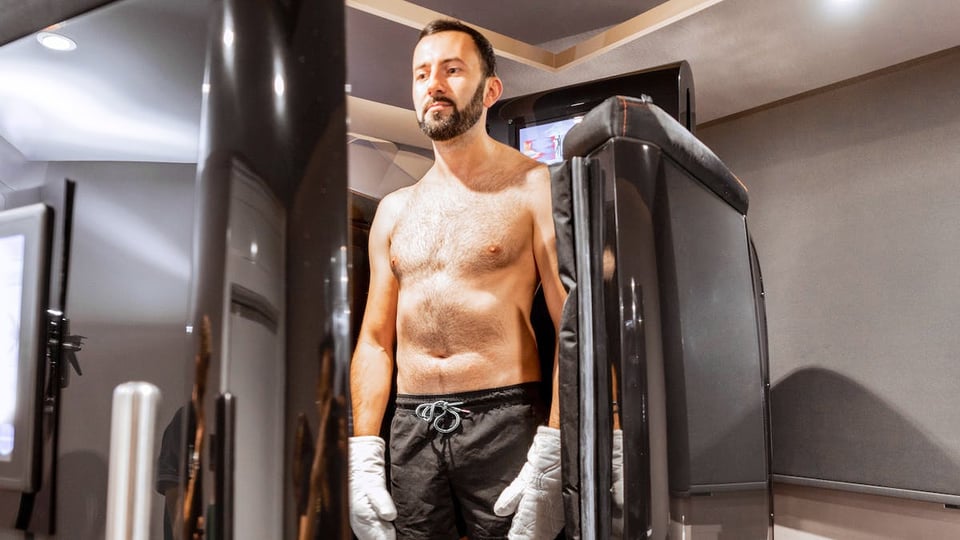
Cryotherapy has been utilized in the therapy world since the beginning, yet we still are discovering new methods and effects. This course aims to educate the learner on cryotherapy evidence and enhance the understanding of this often-misunderstood technique. Therapeutic benefits, risks, indications, and contraindications will be reviewed. Lab demonstrations of various application methods will be introduced. Additionally, reimbursement and possible future uses will be discussed.Highlights Effective, evidence-based cryotherapy interventions for multiple problem areas Therapeutic benefits, risks, indications, and contraindications Coding, billing, and reimbursement for cryotherapy Integrate learning to your PT/OT/AT practice through case examples and demonstrations
Online Course

Includes all course content in digital format

Prerequisites Required
2 hours - Provided by Summit Professional Education
Cognitive Treatments for Adults

Cognitive Treatments for Adults

Lisa Young Milliken, MA, CCC-SLP, FNAP, CDP, RAC- CT

As therapists, we are often asked to provide skilled cognitive interventions for clients with a range of diagnoses. Addressing these deficits are critical as they impact multiple areas of function, to include communication, safety strategies, activities of daily living and the overall ability to achieve optimal functional independence. This course was developed to assist rehab professionals with evidence-based interventions to achieve the desired outcomes for a range of cognitive deficits. These strength- based approaches are designed to be practical to include both rehabilitative and compensatory strategies when teaching clients in the areas of different levels of memory, executive function, attention, verbal recall, judgement, and problem solving.Highlights Strategies for implicit vs. explicit memory & learning concepts Dual task training for improved cognitive and motor outcomes Effective cognitive treatment techniques for clients with a variety of disease processes and comorbidities Implement goal writing and objective documentation strategies

Online Course

Includes all course content in digital format

Prerequisites Required
2 hours - Provided by Summit Professional Education
Evidence-Based Evaluation and Treatment of the Cervical Spine

Evidence-Based Evaluation and Treatment of the Cervical Spine

Matthew Randall PT, DPT, OCS, SCS, MTC, CSCS, CYT-200

Neck pain is a common complaint among the general population and studies indicate that the overall incidence of neck pain is increasing worldwide. Clinicians need up to date, evidence based, assessment and intervention tools to effectively treat this common condition. Evidence shows that a classification framework to identify which patients respond best to certain treatments results in superior outcomes when compared to a non-classification approach. Therapists can learn these newer models of classifying and treatment of the impairments associated with neck pain. This workshop will outline the various classifications of patients who present with neck pain and identify which interventions are most effective for each stage of the condition. The assessment and reasoning skills gained from this course will allow the clinician to immediately apply evidence based treatments to their practice setting and improve not only functional outcomes but patient satisfaction.Highlights Immediately improve your clinical reasoning skills to identify the most effective treatments for each patient Effective, evidence-based assessment tools to quickly diagnose and classify patients with neck pain

Online Course

Includes all course content in digital format

Prerequisites Required
2 hours - Provided by Summit Professional Education
Nutrition Management for Cancer Patients

Nutrition Management for Cancer Patients

Jennifer Darby, PT, DPT, GCS, CCN, CPAHA, CEEAA

This course covers emerging research in the interplay between nutrition and cancer, as well as offers into the role of nutrition in three common cancers: breast, colorectal, and prostate. The course stresses advancements in the understanding of carcinogenesis, individualization of nutrition and cancer treatment, and offers an updated take on the role of nutrition during cancer prevention, treatment and survivorship. This course will provide a review of the current relevant literature about cancer and nutrition, as well provide practitioners with an understanding of the central role of nutrition in health and healing. This course provides a scientific basis for the integration of nutrition into the conventional management of cancer, and opportunities to apply information from the literature to interactive clinical scenarios.Highlights Confidently speak with your cancer patients on nutrition and general nutritional recommendations set forth by the FDA Enhance your cancer patient’s treatment and recovery by adding a nutritional component to your overall plan of care

Online Course

Includes all course content in digital format

Prerequisites Required
2 hours - Provided by Summit Professional Education
Rehabilitation Considerations for Comprehensive Breast Cancer Care

Rehabilitation Considerations for Comprehensive Breast Cancer Care

Nicole Scheiman, DrOT, MHS, OTR/L, CLT-LANA, CKTP, CEES-Advanced, CES, CSST, CDCS, CORE

Breast cancer is the most common cancer in women in the United States, with about 1 in 8 women developing invasive breast cancer over the course of their lifetimes (Breastcancer.org, 2020). Deaths from breast cancer remain the second leading cause of cancer death among women overall (Centers for Disease Control, 2020). About 85% of breast cancers occur in women who have no family history of breast cancer and as of January 2020, there are more than 3.5 million women with a history of breast cancer in the U.S. (Breastcancer.org, 2020). As a result, more rehabilitation professionals are seeing clients with comorbidities stemming from medical interventions for breast cancer. Rehabilitation services are vital throughout the treatment trajectory to provide prevention of co-morbidities as well as treatment of side effects. We are charged with providing these individuals with safe and effective, client-driven treatment techniques to restore and improve quality of life.Highlights Immediately improve your ability to understand acute and long-term side effects of medical treatments for breast cancer that may impact your client’s quality of life Provide safe and effective treatment options for individuals receiving medical intervention for breast cancer

Online Course

Includes all course content in digital format

Prerequisites Required
2 hours - Provided by Summit Professional Education
Total Knee/Hip Arthroplasty: The First 72 Hours

Total Knee/Hip Arthroplasty: The First 72 Hours

Jason Handschumacher, PT, DPT, OCS

Therapists are outnumbered. By 2025, there will be 650,000 Total Hip Replacements and 1.2 million Total Knee Replacements annually in the United States. "Fast tracking",anesthesia advances, minimally invasive procedures and pre-operative planning are maximizing patient lives. This course will teach you how you can best address these patients in your setting and how you can optimize outcomes at the same time. Interact with a dynamic instructor and other therapists so we can work cooperatively ensuring the most functional and cost-effective outcomes.Highlights Pre-operative management, education, planning and coordination Post operative care, treatment focus, and functional progression timelines Fast tracking preoperatively and postoperatively

Online Course

Includes all course content in digital format

Prerequisites Required
2 hours - Provided by Summit Professional Education
Evaluation of Inversion Ankle Sprains

Evaluation of Inversion Ankle Sprains

Chris Owens, PT, ScD, OCS, CSCS, FAAOMPT

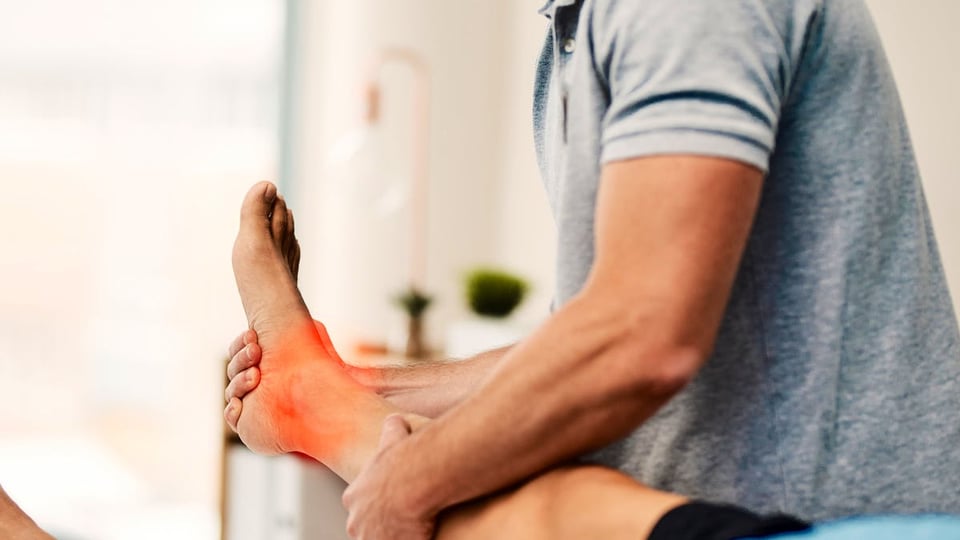
The approximate incidence of ankle sprains in the general US population is 2% per 1,000 at risk persons. The incidence of foot and ankle injuries is much greater for sports participants. Foot and ankle injuries account for 27% of all injuries that result in at least one day of missed sports participation in Division 1 collegiate athletes. Most of these injuries effect the lateral ligamentous structures due to inversion trauma. Inappropriate diagnosis and management of these injuries can lead to chronic pain and dysfunction that may limit sports participation as well as recreational activities. It is imperative that clinicians possess strategies to recognize, manage, and prevent complications related to inversion ankle sprains. This course will assist clinicians with prioritizing examination tests and measures by presenting a tissue specific approach to clinical examination of the foot and ankle. Clinicians will be provided with a systematic examination approach that will allow them to categorize the multiple complications that can present as a result of inversion ankle sprains. A case-based clinical reasoning approach to treatment will provide participants with the ability to clearly communicate findings with patients and colleagues.Highlights Immediately provide a 15-minute systematic examination that includes differential diagnosis for the ankle Learn a rapid examination process for assigning patients to effective treatment-based categories Acquire the most reliable and rel...

Online Course

Includes all course content in digital format

Prerequisites Required
2 hours - Provided by Summit Professional Education
Transfemoral and Transtibial Amputee

Transfemoral and Transtibial Amputee

Brandi Singleton, PT, DPT, CCI

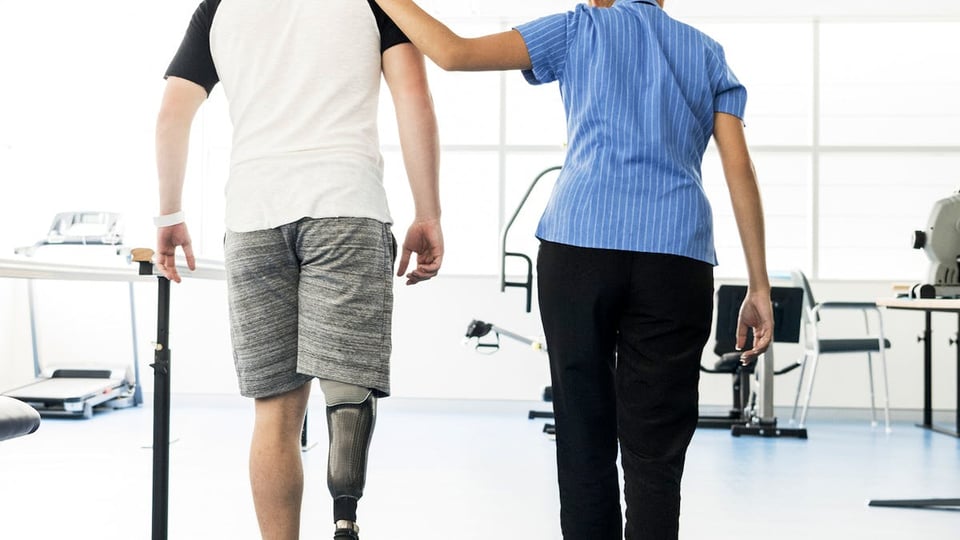
More than 75,000 lower extremity amputations are performed in the United States each year. Many lower extremity amputees will have the potential to regain the ability to walk functional distances with the training of rehabilitation professionals. 50% of amputees report fear of falling and have at least one fall per year. This course will provide therapists with the tools needed to maximize our patient’s potential prior to prosthetic use and promote functional use of prosthetics to allow them to return to optimal levels of function. Therapists play an integral role from day one following an amputation to the day a patient returns to home, community, and work settings. With the proper training and education from qualified therapy professionals utilizing evidence-based practice and effective outcome measures, these patients can reach optimal levels of independence and safety. These outcomes will not only lead to a higher quality of life, but also reduce the risk of further injury and hospitalization.Highlights Improve functional mobility in lower extremity amputees at various points in their rehabilitation journey Effectively reduce fall risk in patients with lower extremity amputation Utilize effective outcome measures to determine an accurate baseline and to track progression

Online Course

Includes all course content in digital format

Prerequisites Required
2 hours - Provided by Summit Professional Education