Physicourses Digital Subscription

Results 21-30 of 127
Evidence-Based Upper Quarter Orthopaedics

Evidence-Based Upper Quarter Orthopaedics

Richard Hubler, PT, DPT, OCS, FAAOMPT

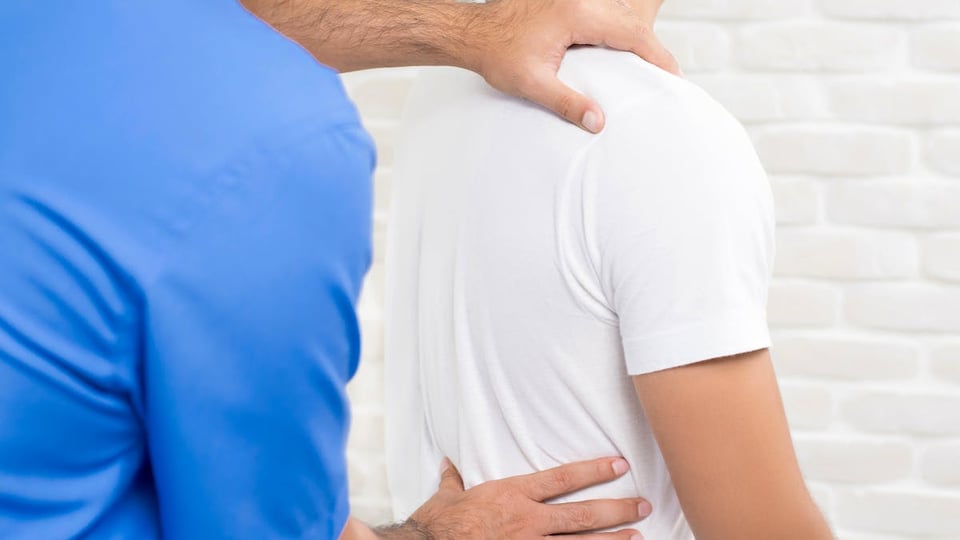
Therapists commonly evaluate and treat patients with upper quarter neuromusculoskeletal pathologies. This course will provide attendees with a thorough review of the commonly seen orthopaedic conditions of the upper quarter. In addition, evidence-based interventions will be introduced and discussed to facilitate patient management skills and improved ADLs. Current evidence will be synthesized to give attendees guidance on effective upper quarter orthopaedic examination and intervention strategies.Highlights Review common upper extremity neuromusculoskeletal conditions Effective therapeutic management strategies of the four main upper extremity regions (cervical, shoulder, elbow, and wrist/hand) Practical assessment and intervention strategies for orthopaedic conditions of the upper extremity

Online Course

Includes all course content in digital format

Prerequisites Required
Evidence-Based Upper Quarter Orthopaedics
Utilizing Movement Analysis for Exercise Prescription: Part 1

Utilizing Movement Analysis for Exercise Prescription: Part 1

Chad Hensel, PT, DPT, MHS, CSCS

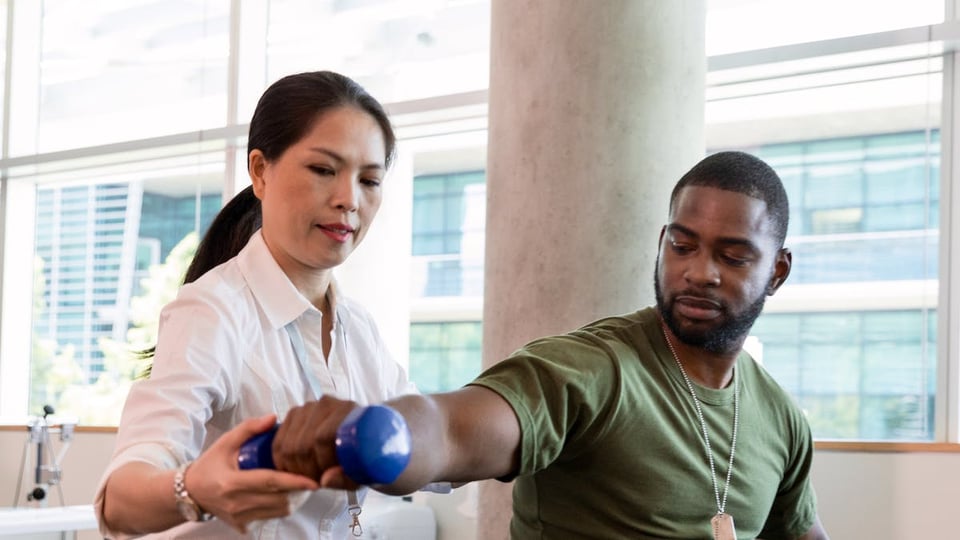
In these times of changing health care, it is common to have less time/visits with our patients. The challenge to the clinician is continuing to provide excellent quality care, assess problems, and meet goals within this new clinical environment. Analyzing movement patterns is an excellent tool in determining problems and optimizing functional outcomes. Movement analysis is a crucial component of any rehab program, but proficiency requires practice. This course is designed to provide the clinician practice to augment their ability to provide proficient movement analysis. Detailed anatomy examination is incorporated into this course as the participant looks at examples of exercises and functional activities from the vantage point of the muscular system. Video examples will be a primary teaching method in this program.Highlights Practice and review movement analysis scenarios with key actions of the major muscle groups in the body Determine correct analysis and design of more efficient treatment plan selections Optimize movement analysis skills into your practice through practice case examples

Online Course

Includes all course content in digital format

Prerequisites Required
2 hours - Provided by Summit Professional Education
Effective Manual Therapy Techniques for Mobility Deficits of the Cervical Spine

Effective Manual Therapy Techniques for Mobility Deficits of the Cervical Spine

Matthew Randall, PT, DPT, OCS, MTC, CSCS

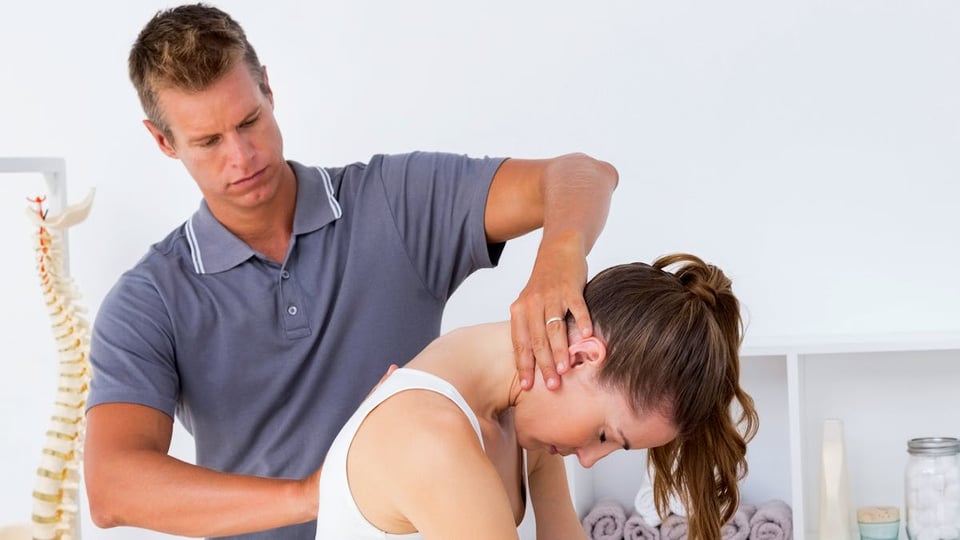
Neck pain is a common complaint among the general population and studies indicate that the overall incidence of neck pain is increasing worldwide. Clinicians need up to date, evidence-based, assessment and intervention tools to effectively restore mobility, reduce disability, and teach patients how to maintain optimal function of their neck. This course will outline and demonstrate biomechanical assessments that guide effective hands on mobilization techniques to improve movement/pain relationships.Therapists attending this course will learn these new mobility assessment techniques and implement the skills they learn in this course immediately to improve the lives of their patients.Highlights Practical assessment and reassessment strategies to quickly identify mobility deficits and functional impairments of the cervical spine Immediately improve your patient’s mobility and symptoms using powerful hands on techniques

Online Course

Includes all course content in digital format

Prerequisites Required
1 hour - Provided by Summit Professional Education
Functional Active Myofascial Release

Functional Active Myofascial Release

Brian Trzaskos, PT, LMT, CSCS, CMP, MI-C

Over 127 million Americans seek complementary and integrative health care services annually and the most successful clinicians know that meeting this growing need offers a huge advantage in generating additional revenue in clinics as well as providing superior quality care. Today's most valuable rehabilitation professionals must have the knowledge and capability to leverage multidimensional aspects of their client's experience to engender faster and more complete results. This highly engaging course will give participants practical body mind assessments and effective myofascial release strategies that can be immediately applied both in the clinic and via telehealth engagements, making them the go-to provider in their community.Highlights Immediately improve your client's functional breath capacity, flexibility, chronic pain symptoms, and ADL function Apply a new holistic assessment tool and easy to-use, self-applied myofascial release movements

Online Course

Includes all course content in digital format

Prerequisites Required
2 hours - Provided by Summit Professional Education
3 Key Trigger Point Treatments to Enhance Core Activation

3 Key Trigger Point Treatments to Enhance Core Activation

Brian Trzaskos, PT, LMT, CSCS, CMP, MI-C

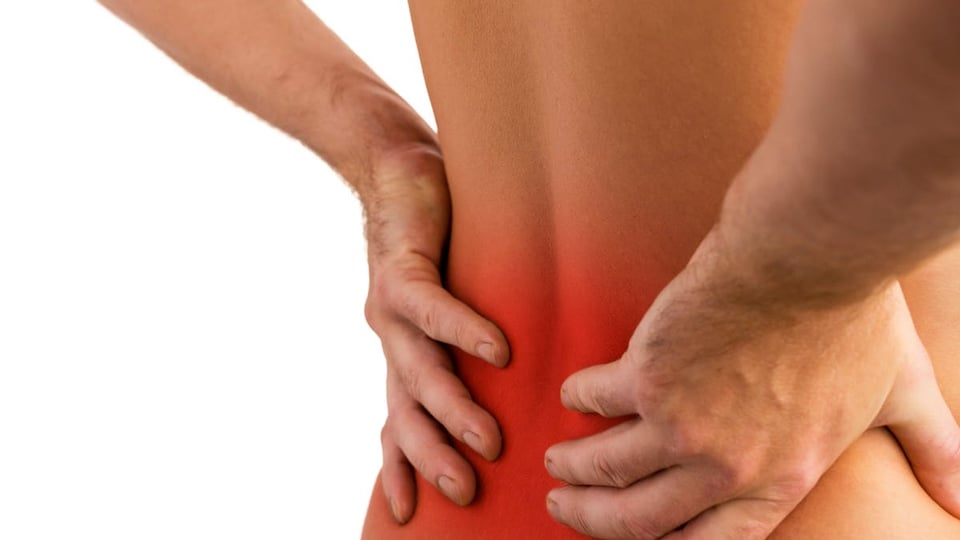
According to the Global Burden of Disease, low back pain is the single leading cause of disability worldwide with Americans spending at least $50 billon each year on back pain issues. Current research is revealing the broad ineffectiveness of pharmaceutical strategies and strongly suggests that successfully treating the multifactorial nature of back pain requires an integrative approach including the use of neuromuscular manual techniques. In addition, it has been shown that deep core musculature activation is enhanced by normalization of superficial core muscle tone. This workshop will outline the physiologic basis for neuromuscular treatments and instruct key trigger point techniques to help practitioners effectively normalize global muscle tone and initiate deep core muscle activation immediately with their patients.Highlights Immediately improve your clients' low back pain, initiate deep core musculature activation, and increase ADL function

Online Course

Includes all course content in digital format

Prerequisites Required
1 hour - Provided by Summit Professional Education
Evidence-Based Evaluation and Treatment of the Lumbar Spine

Evidence-Based Evaluation and Treatment of the Lumbar Spine

Matthew Randall PT, DPT, OCS, SCS, MTC, CSCS, CYT-200

Low back pain is one of the most common reasons people see a doctor or miss days of work. Clinicians need up to date, evidence-based, assessment, and intervention tools to effectively treat this common condition. Evolving evidence shows new approaches to identify which patients respond best to certain treatments. Therapists can learn these newer frameworks of assessing and treating the impairments associated with low back pain. This course will outline the latest evidence on the classification approach of patients who present with low back pain, present additional frameworks by which to approach managing this condition, and identify treatment principles to help improve functional outcomes with patients experiencing low back pain. The assessment and reasoning skills gained from this course will allow the clinician to immediately apply evidence-based treatments to their practice setting and improve not only functional outcomes but patient satisfaction.Highlights Effective, evidence-based assessment tools to diagnose patients with low back pain Immediately improve your clinical reasoning skills to identify the most effective treatments for each patient

Online Course

Includes all course content in digital format

Prerequisites Required
1 hour - Provided by Summit Professional Education
Pelvic Floor Rehabilitation Update

Pelvic Floor Rehabilitation Update

Catherine Lewan, PT, DPT

Most people will develop symptoms of pelvic floor, bowel, or bladder dysfunction during their lifetime. It is likely that many of your current patients are in need of pelvic rehab and would see meaningful improvement with your assistance... even if you are not a pelvic health specialist. This course updates the clinician's toolbox to include external strategies to improve outcomes in bladder urgency, urge incontinence, frequency of micturition, and constipation for pediatric, adult, and geriatric patients. Evidence-informed use of neuromodulatory e-stim will be explored, including transcutaneous strategies (TENS) and Percutaneous Tibial Nerve Stimulation (PTNS.) Participants will be able to implement evidence-based strategies to improve bowel and bladder function in a variety of settings to improve patient outcomes and quality of life.Highlights Update your clinical toolbox beyond Kegels to improve urinary urgency, frequency, and constipation in your patient population Neuromodulation techniques to improve functional outcomes for patients of all ages with bowel and bladder symptoms

Online Course

Includes all course content in digital format

Prerequisites Required
2 hours - Provided by Summit Professional Education
Hypermobility Spectrum Disorders

Hypermobility Spectrum Disorders

Catherine Lewan, PT, DPT

Historically, hypermobility has been underdiagnosed in children and adults, resulting in decreased efficacy of treatment, functional limitation and disability that can be frustrating for both patients and clinicians who do not have the specific tools necessary for identification and management of hypermobility spectrum disorders (HSD.) It is estimated that 20% or more of the population is hypermobile, which is associated with musculoskeletal injury, proprioceptive deficits, and persistent pain; neurological anomalies and neuroimmune upregulation; visceral and cardiovascular dysfunction; gastrointestinal distress and decreased quality of life and functional capacity. Rehab specialists who take this intermediate-level workshop will be able to identify hypermobility spectrum disorders and associated comorbidities and initiate treatment strategies critical to improving functional outcomes. Participants will benefit from didactic learning as well as case studies and practicum that will be immediately applicable to a variety of patient populations and settings.Highlights Current terminology and diagnostic criteria for hypermobility spectrum disorders based on the 2017International Consortium Classification Effective strategies for improving functional outcomes in hypermobile patients

Online Course

Includes all course content in digital format

Prerequisites Required
2 hours - Provided by Summit Professional Education
Evaluation of the Hip Complex

Evaluation of the Hip Complex

Chris Owens, PT, ScD, OCS, CSCS, FAAOMPT

Hip pain is a common complaint among patients in a wide variety of clinical settings. Clinicians are faced with the challenge of implementing effective evidence-based interventions for the hip despite there being high levels of uncertainty about the origin of pain in this region. This uncertainty is further complicated by the fact that multiple structures can cause pain in this region. A systematic and concise process for clinical examination is essential for appropriate management of this challenging patient population. This course will assist clinicians with prioritizing examination tests and measures by presenting a tissue specific approach to clinical examination of the hip. Clinicians will be provided with a systematic examination approach that will allow them to categorize patients quickly and effectively. A case-based clinical reasoning approach will provide participants with the ability to clearly communicate findings with patients and colleagues.Highlights Provide a 15-minute systematic examination that includes differential diagnosis for the hip region Use the rapid examination process to assign patients to effective treatment-based categories Review the most reliable and relevant clinical information regarding minimal tests and measures and special tests A systematic approach to interpreting complex clinical problems

Online Course

Includes all course content in digital format

Prerequisites Required
2 hours - Provided by Summit Professional Education
Differential Diagnosis of Headaches Post Concussion

Differential Diagnosis of Headaches Post Concussion

Cristin Beazley, PT, DPT, CBIS

Concussion is a common injury that is often poorly identified and poorly managed. It can occur with a variety of mechanisms and affects all ages. These injuries can recover on their own but often (10-30%) of individuals will have persistent symptoms. There are a variety of symptoms that can be present after a concussive injury and often headache is one of the most common. Research has shown that individualized treatment results in the best outcomes secondary to the multiple systems that are impacted after these injuries.1 A challenge to concussion management is that none of the symptoms that are often reported are unique to the injury itself. It is essential that clinicians who work with client's post-concussion have a clear understanding of the variety of possible contributing factors to the symptom presentation so that they can create a targeted plan of intervention. This individualized plan and understanding will ensure optimal patient outcomes.This course will highlight the variety of physiological impairments and systems that can contribute to headache presentation. We will review differential diagnosis as well as targeted interventions to achieve optimal outcomes and patient recovery. The course will present a variety of strategies as well as case studies to help support differential diagnosis strategy. There will also be objective measures including questionnaires, assessments of the cervical spine, vestibular/oculomotor systems, and evaluation of the autonomic nervous...

Online Course

Includes all course content in digital format

Prerequisites Required
2 hours - Provided by Summit Professional Education