Physicourses Digital Subscription

Results 91-100 of 127
Canine Assisted Therapy

Canine Assisted Therapy

Victoria Wood, OTR/L

As more people become interested in how animals can therapeutically benefit humans, there has been a call for training animals to be Certified Therapy dogs. Because this is an important role, it is imperative that people and their animals become properly trained and certified. This increases the effectiveness, consistency, and legitimacy of using certified therapy dogs. This course will teach you the many benefits of using a trained animal during therapy sessions. It will give you resources and information on what is needed to obtain certification for a therapy dog. You will meet Polly and see her in action with several patients.HighlightsRequirements to train and certify your canineHow to properly train and certify your therapy dog to increase the effectiveness, consistency, and legitimacy of the programBenefits of using canine assisted therapy in physical, occupational and speech therapy

Online Course

Includes all course content in digital format

Prerequisites Required
Nutrition Management for Patients with ADHD

Nutrition Management for Patients with ADHD

Jennifer Darby, PT, DPT, GCS, CCN, CPAHA, CEEAA

Research shows that protein promotes alertness in the brain. Carbohydrates do the opposite and artificial colors or flavors are even worse. This course will discuss the latest brain research and evidence-based best practices regarding diet and nutrition to get kids and adults motivated, focused, organized, and performing closer to their true potential. By recognizing how the brain works in Attention Deficit Hyperactivity Disorder (ADHD) along with the executive function relationship, participants will be able to better identify a variety of interventions that can positively influence symptoms of ADHD in your patients. Diet, nutrition, and environmental influences will be covered and their role in the focus of brain development and overall health.HighlightsConfidently speak with your patients and parents on nutrition and general nutritional recommendations set forth by the FDAEnhance your patient's focus by adding a nutritional component to your overall plan of care

Online Course

Includes all course content in digital format

Prerequisites Required
2 hours - Provided by Summit Professional Education
Evidence-Based Assessment and Treatment for TMJ, Cervical Spine Dysfunction, and Headaches

Evidence-Based Assessment and Treatment for TMJ, Cervical Spine Dysfunction, and Headaches

David J. Denton, PT, DPT, CIDN, CVT

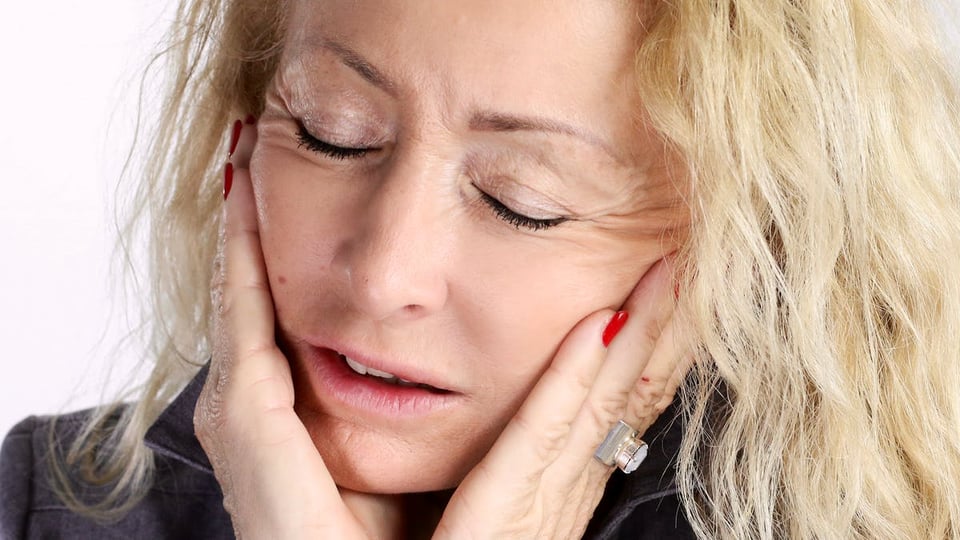
Headaches and cervicogenic vertigo are among the most common compounding symptoms experienced in Temporomandibular Disorder sufferers. The latest research supports findings that there is a close relationship between headache and TMD. Data also indicates that headache makes pain parameters more intense and frequent. Through this course the attendee will substantiate positive benefits including evidence-based practice and strong differential diagnosis. This approach fosters a quick recovery, return to functionality through the relief of pain, and provides answers for complex integrated symptoms stemming from the upper cervical spine and jaw. These added skills will create a practice to, "offer an avenue of a niche practice to patients affected with chronic painful events related to the jaw and upper cervical spine, with otherwise nowhere else to turn."This interactive course will expand your manual practice tool-box, which can branch out, to include cervical dizziness, TMD, and promote resources for a large subset of the population affected by postural and cervical headaches.Manual hands-on techniques involving trigger point palpation and intervention to relieve pressure, de-activation of symptomatic structures surrounding the jaw, as well as introduction into manual-based interventions including joint manipulation, trigger point dry needling, and IASTM. Techniques, differential diagnosis, and replication of symptoms will allow an adequate and effective plan of care to foster r...

Online Course

Includes all course content in digital format

Prerequisites Required
6 hours - Provided by Summit Professional Education
Assessment and Treatment for Survivors of Traumatic Brain Injury

Assessment and Treatment for Survivors of Traumatic Brain Injury

Susan Little, PT, MS, CBIS

Traumatic brain injury (TBI) is a major cause of death and disability in the United States. Moderate to severe injuries often lead to lifelong disability. In the United States alone, the Center for Disease Control estimates that there are approximately 5.3 million individuals living with TBI related disabilities. Rehabilitation professionals are charged with minimizing TBI related sequelae and optimizing function. With ever increasing pressures from insurers and ever changing evidence from researchers, knowledge translation from the literature to the clinic is a key in efficient and optimal rehabilitation. However, the clinician is faced with the challenge of managing a patient caseload while remaining up-to-date on research that directly impacts their interventions.This course will provide an overview of TBI and TBI rehabilitation while highlighting recent advances in the science and management of survivors of moderate to severe TBI. Participants will leave with an awareness of the changing epidemiology of TBI, and the usefulness of multiple standardized assessment tools. Effectiveness of paradoxical medications that are being utilized to increase arousal of individuals in a minimally conscious state will be presented. Updates on indicators of positive outcome after TBI and prognostic models will be described to aid in goal establishment, guide treatment and prepare caregivers. Evidence updates on common clinical interventions, such as coma stimulation and body weight suppor...

Online Course

Includes all course content in digital format

Prerequisites Required
6 hours - Provided by Summit Professional Education
Evidence-Based Rehabilitation Using Tai Chi

Evidence-Based Rehabilitation Using Tai Chi

Brian Trzaskos, PT, LMT, CSCS, CMP, MI-C

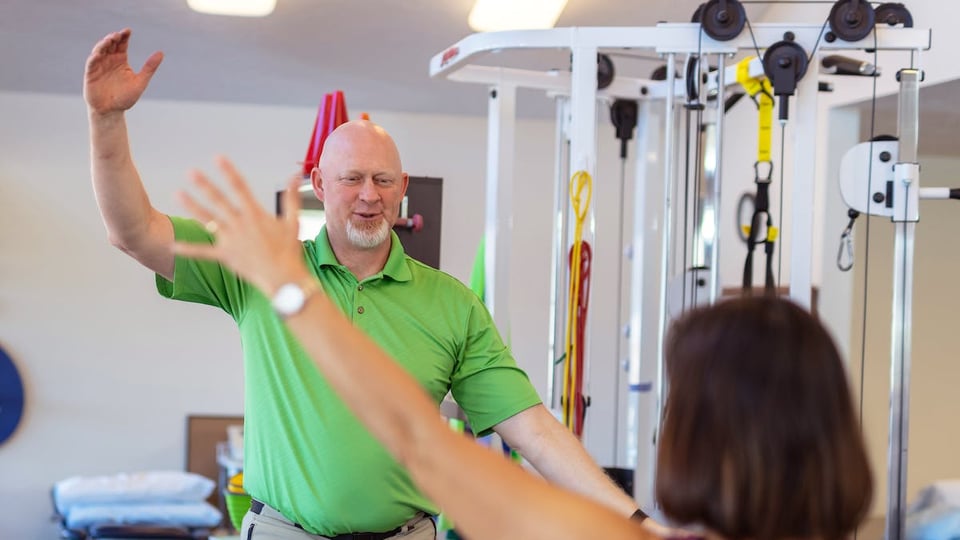
The CDC reports that, "each year, 3 million older people are treated in emergency departments and over 800,000 patients are hospitalized because of falling, resulting in about $50 billion in medical costs related to non-fatal fall injuries and $754 million spent related to fatal falls." In older adults, falls are the leading cause of traumatic brain injuries and fractures. While physical injuries associated with unintentional falls are well documented, the psychological costs are less obvious and more persistent. Studies reveal that up to 50% of people with a fear of falling restrict or eliminate social and physical activity because of that fear. Presently, the combination of an aging population, shrinking third party reimbursements, and Medicare non-payment for hospital related falls and traumas guarantees that cost effective and high return on investment services will become of increasing value.Tai Chi is a traditional Chinese exercise method, requiring no special equipment and shown to improve cognitive skills, memory, psychological wellness, strength, flexibility, immune function, and balance; and is now being advocated by the CDC and Harvard Medical School for fall prevention and functional improvement programs. This interactive 6-hour course offers participants the opportunity to experience the practice and principles of Tai Chi as they apply to balance and functional rehabilitation. Upon completion, attendees will have new, effective, evidence-based, and insurance reim...


Online Course

Includes all course content in digital format

Prerequisites Required
6 hours - Provided by Summit Professional Education
A Comprehensive Approach to Sports Rehab

A Comprehensive Approach to Sports Rehab

Joseph Villena, PT, MPT, OCS, CSCS, COMT

Now more than ever, people are more active and are participating in athletic and recreational activities ranging from running to extreme sports resulting in a number of orthopedic injuries. Expectations in the rehabilitation of these injuries are to utilize an evidence-based approach to develop appropriate exercise programs. Therefore, it is imperative that the orthopedic rehab professional have a strong understanding of all aspects of evidence-based research on exercise and sports science to create the link from injury to recovery to full return to sport.This innovative course combines basic concepts of physics, biomechanics, and physiology with movement analysis to help participants develop sport specific training programs. Participants will learn how to systematically break down fundamental athletic movements using current research, in depth discussions, and video analysis. Evidence-based protocols for upper and lower extremity return to sport will be introduced as well as the concept of periodization. Participants will return to their practice with multiple tools to maximize recovery from injury for every patient from the weekend warrior to the professional athlete.HighlightsDevelop sound clinical reasoning strategies utilizing a combination of exercise physiology, biomechanics, and evidence based research to develop more comprehensive strength and endurance exercises for rehabilitationBecome a movement expert! Enhance your clinical skills to systematically break down com...

Online Course

Includes all course content in digital format

Prerequisites Required
6 hours - Provided by Summit Professional Education
Spinal Cord Injury Rehab

Spinal Cord Injury Rehab

Ryan Daywalt, PT, MPT

Spinal cord injuries affect nearly 18,000 new Americans each year. At any one time, nearly 300,000 people in the United States are living with Spinal Cord Injury (SCI). With increasingly high first year mortality rates, and a steadily decreasing length of stay in both acute care and rehab settings, it is our responsibility as healthcare providers to educate ourselves in order to more effectively treat this population. Physical and occupational therapists have the potential to make the single, biggest impact on the functional outcomes of these patients, drastically improving both quality and quantity of life post-injury.This one-day course will equip clinicians with the skills needed to better understand the diagnosis and accompanying comorbidities patients with SCI may experience. Course participants will gain valuable hands-on*experience with transfer techniques, interventional strategies, and wheelchair skills. Two separate lab* sessions will provide attendees the opportunity to practice techniques on one another. Following this course, therapists will immediately be able to integrate the techniques and ideas learned to more effectively meet the needs of their patients with SCI.*Hands on lab will be modified for Web based delivery formats into recorded demonstrationsHighlightsImmediately improve your knowledge of spinal cord injury management and treatment with early interventional strategies you can put into use tomorrow!Best practices for lifts, transfer techniques, and w...

Online Course

Includes all course content in digital format

Prerequisites Required
6 hours - Provided by Summit Professional Education
Evidence-Based Advances in Lower Extremity Rehabilitation

Evidence-Based Advances in Lower Extremity Rehabilitation

Andy Parsons PT, DPT, OCS

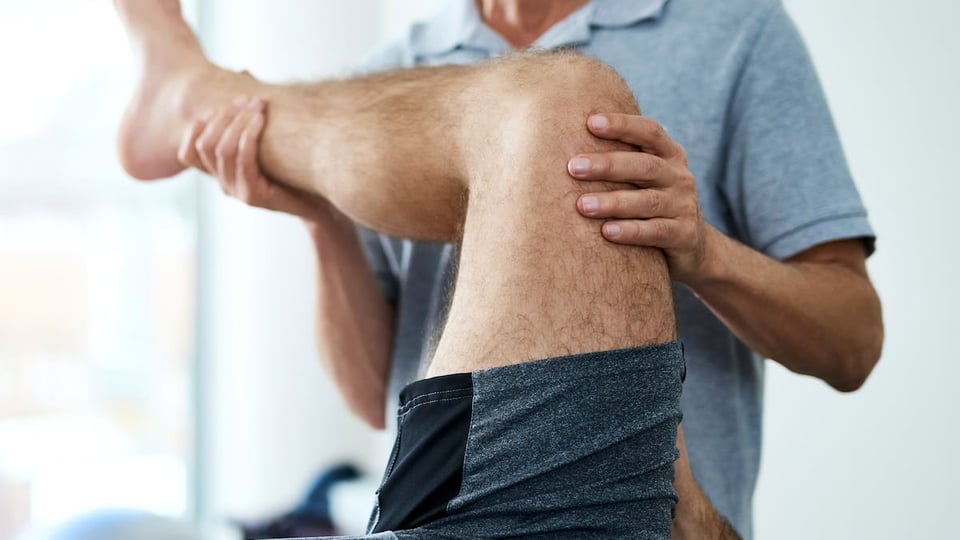
Evidence-based practice continues to push physical therapy forward in lower extremity (LE) evaluation and treatment. LE conditions are among the most prevalent in orthopedic physical therapy. The prevalence rates of common conditions include anterior knee pain 25%, patellar tendinopathy ranges from 5.8% - 22.8%, and achilles tendinopathy ranges from 7-9% in runners. As the population ages, osteoarthritis (OA) becomes even more important with 40% of people over age 65 having symptoms related to OA. Advancements related to conditions like tendinopathy, arthritis, femoral acetabular impingement, plantar fasciosis, patellofemoral pain, and bursitis dictate that today's rehabclinician stay abreast to latest research in order to optimize outcomes with their patients.This hands-on course aims to advance a clinician's understanding of the guidelines related to the hip, knee, and foot/ankle to facilitate differential diagnosis/medical screening for a hierarchical approach to intervention prescription producing more efficient and valuable care. Hands-on instruction and interactive presentation will allow attendees to analyze and implement LE evaluation and intervention strategies that can be utilized immediately in the clinic.HighlightsDevelop advanced examination strategies for differential diagnosis for the most common lower extremity conditionsImprove your ability to properly load and progress lower extremity exercise programsImmediately improve clinical reasoning and examination of...

Online Course

Includes all course content in digital format

Prerequisites Required
6 hours - Provided by Summit Professional Education
A Therapist's Evidence-Based Approach to Acute and ICU Care Rehab

A Therapist's Evidence-Based Approach to Acute and ICU Care Rehab

John Gwilliam, PT, MPT, MHA, CWS

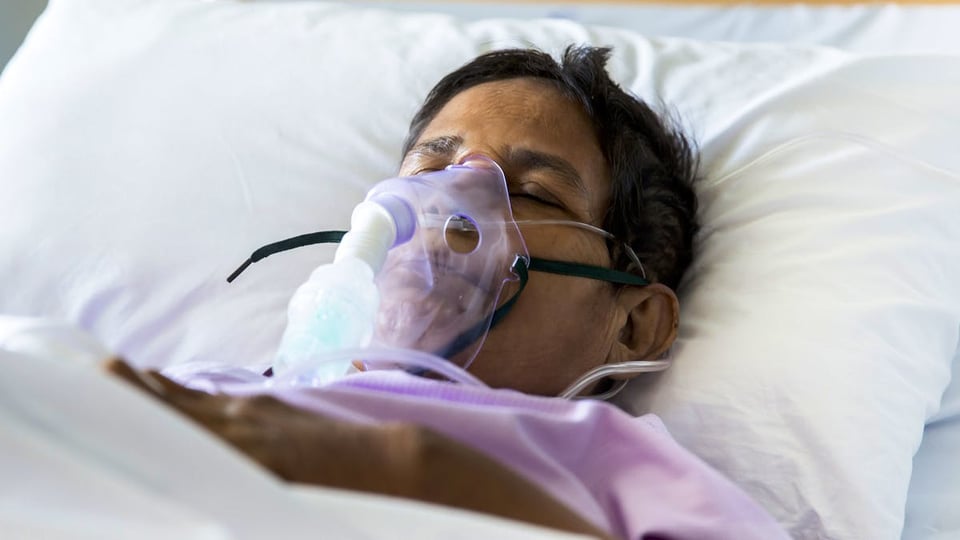
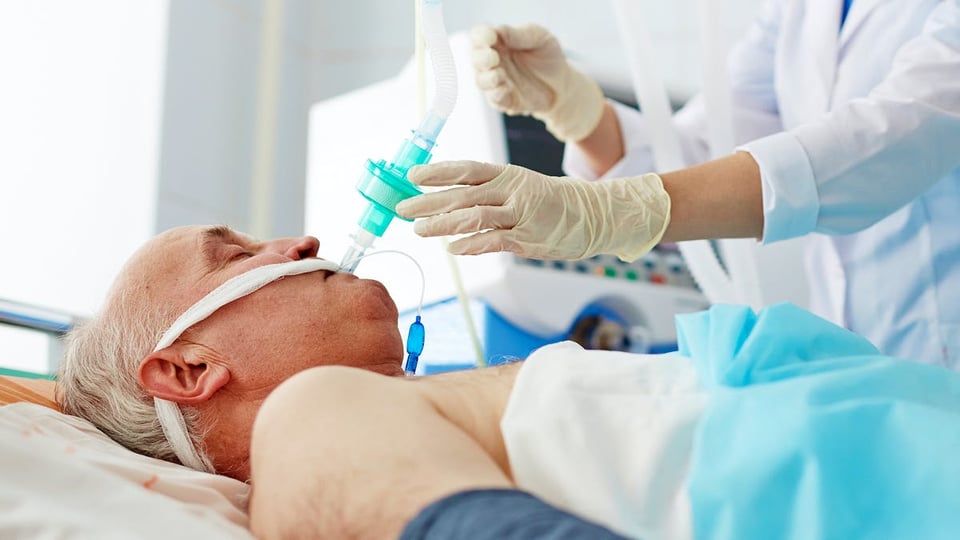
Deciding whether to provide therapy or to withhold treatment is a question that presents itself to an individual therapist on a daily basis. In acute care and other settings, the presentation of the complex patient often creates a difficult scenario to make evidence-based decisions. The ultimate goal of each clinician is to provide every patient with effective interventions to help them progress to their highest functional level. This course will present current evidence- based information and protocols to help assist every clinician to make the best decision for each of their patients.Through a multi-media course and interactive discussion, each participant will review key anatomy and physiological principles to help create a solid background for patient assessment and effective interventions to improve patient progression and discharge outcomes. By using key indicators from cardiovascular status, medication use, comorbidities and diagnoses, participants will learn skills to enhance their decision-making ability to improve patient outcomes. Participants will leave having a better understanding of improving their role along with a clear multi-disciplinary approach of therapists working together to improve outcomes in the acute care setting.HighlightsTake away quick assessment techniques to interpret critical vs. non-critical lab values and vital signsGain step-by-step protocols to early mobilization for improving upon progression of the cardiovascular and pulmonary and other ...

Online Course

Includes all course content in digital format

Prerequisites Required
6 hours - Provided by Summit Professional Education
Treating the Critically Ill in the Acute Care and ICU

Treating the Critically Ill in the Acute Care and ICU

Catherine Valentino OTR/L OTD, MHSc, MAAL, BS

With an increasing number of patient discharges happening from acute care to home settings it is imperative for clinicians in the acute care field to provide the most up- to-date and impactful treatments possible. According to the Academy of Acute Care Physical Therapy, "83%" of therapy recommendations are met during the discharge process (2018). This indicates significant responsibility to rehab clinicians for providing the most beneficial information possible. Much of the groundwork of what a patient can achieve is implemented during the acute care phase of healthcare.This interactive course will cover critical components associated with our compromised patients in the acute hospital setting. Participants will focus on understanding what is happening from a transdisciplinary perspective and how best to achieve functional outcomes. Hands-on experience will be achieved in both testing and treatment components during labs. Current research and techniques will be the focus of the day to put our best foot forward in acute patient care.HighlightsThe most effective evidence-based intervention approaches for acute care/ICU management that are applicable to use with medically complex clientsPractice dozens of testing measures and treatments that are the most appropriate for use in the acute care/ICU settingImprove clinical decision-making from early mobilization to discharge and documentationMultiple hands-on labs to allow clinicians to try evaluations and treatments throughout the ...

Online Course

Includes all course content in digital format

Prerequisites Required
6 hours - Provided by Summit Professional Education