Physicourses Pediatrics

Results 31-32 of 32
Essential Assessment and Treatment Strategies for Pediatric Orthopedic Dysfunction

Essential Assessment and Treatment Strategies for Pediatric Orthopedic Dysfunction

Crystal Duda, MSPT

There are approximately 200 hospitals for children in theUS. For many families who cannot access their rehab services, they must rely on local outpatient clinics to provide therapy services for their children. Pediatric orthopedics is a challenging field relying on knowledge of developmental norms and evidence-based treatment intervention. Successful outcomes in pediatrics depend on clinicians prescribing customized stretching, strengthening, and positioning strategies that children will be successful at performing.This one of a kind workshop will review the developmental progression of motor skills and supply clinicians with ideas and resources to implement immediately with their pediatric patients. Attendees will also tune up their observation skills related to posture, functional mobility, and gait to help understand the need for further referrals to medical specialties such as orthopedics, neurology, and rheumatology. As practicing rehabilitation professionals working with young patients, when outcomes count, understanding and treating children respecting their age and stage, instead of as "little adults" is everything.HighlightsTransform your clinical decision making to help pediatric patients with orthopedic diagnoses including best practices for torticollis, scoliosis and gait abnormalitiesAssess developmental norms for functional movement patterns, joint alignment, and mobility to build better, more effective treatment plans specific to pediatric patientsRefresh your ...

Online Course

Includes all course content in digital format

Prerequisites Required
6 hours - Provided by Summit Professional Education
Treating Torticollis

Treating Torticollis

Kim Lephart, PT, DPT, MBA, PCS

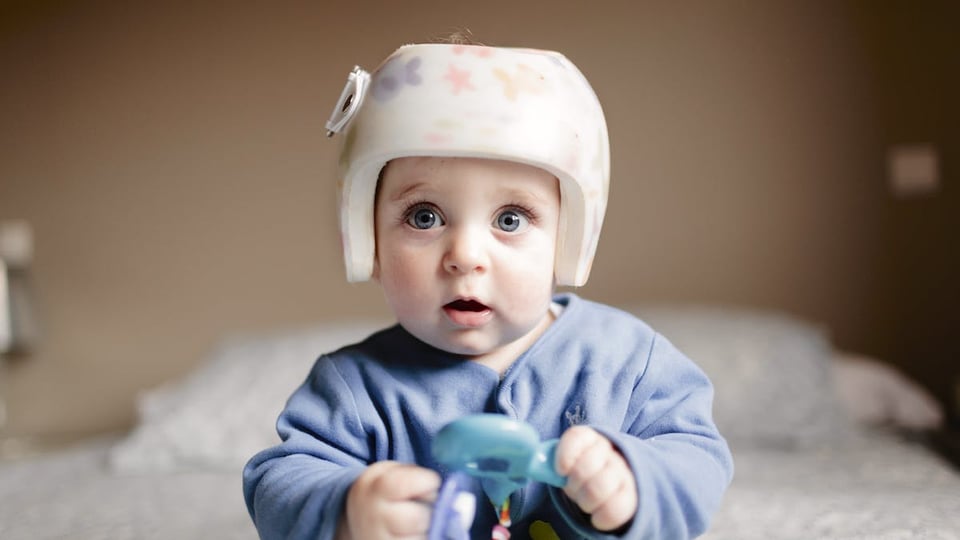
Congenital muscular torticollis (CMT) is the third most common congenital musculoskeletal anomaly in infants. Positional plagiocephaly may contribute to torticollis and there has been an increase in occurrence since the 1992 American Academy of Pediatrics' Back-to-Sleep campaign. Early intervention professionals are on the front line of treating children with torticollis and plagiocephaly, whether in the neonatal intensive care unit, the baby nursery at hospitals, and especially when visiting homes in the early intervention setting; early identification and appropriate treatment can improve outcomes for these infants.This interactive workshop provides resources and education to understand the etiology, evaluation, and treatment of infants with CMT. The Section of Pediatrics of the APTA's Clinical Practice Guideline (CPG) is discussed and applied to determine appropriate interventions, guide referrals to other specialists, and determine when discharge is appropriate. Participants will discuss cases, group problem solve, and practice use of tools for evaluating this population. Upon completion of this workshop, participants will be familiar with the CMT Clinical Practice Guidelines and have the proper tools for evaluating and treating infants with CMT.HighlightsHands-on labs on safe and effective manual stretching, positioning, and documentation of neck range of motion via arthrodial protractorAlternative interventions such as Kinesiology taping fortorticollisEffective infant s...

Online Course

Includes all course content in digital format

Prerequisites Required
6 hours - Provided by Summit Professional Education