Physicourses Orthopedics

Results 51-55 of 55
Evidence-Based Assessment and Treatment for TMJ, Cervical Spine Dysfunction, and Headaches

Evidence-Based Assessment and Treatment for TMJ, Cervical Spine Dysfunction, and Headaches

David J. Denton, PT, DPT, CIDN, CVT

Headaches and cervicogenic vertigo are among the most common compounding symptoms experienced in Temporomandibular Disorder sufferers. The latest research supports findings that there is a close relationship between headache and TMD. Data also indicates that headache makes pain parameters more intense and frequent. Through this course the attendee will substantiate positive benefits including evidence-based practice and strong differential diagnosis. This approach fosters a quick recovery, return to functionality through the relief of pain, and provides answers for complex integrated symptoms stemming from the upper cervical spine and jaw. These added skills will create a practice to, "offer an avenue of a niche practice to patients affected with chronic painful events related to the jaw and upper cervical spine, with otherwise nowhere else to turn."This interactive course will expand your manual practice tool-box, which can branch out, to include cervical dizziness, TMD, and promote resources for a large subset of the population affected by postural and cervical headaches.Manual hands-on techniques involving trigger point palpation and intervention to relieve pressure, de-activation of symptomatic structures surrounding the jaw, as well as introduction into manual-based interventions including joint manipulation, trigger point dry needling, and IASTM. Techniques, differential diagnosis, and replication of symptoms will allow an adequate and effective plan of care to foster r...

Online Course

Includes all course content in digital format

Prerequisites Required
6 hours - Provided by Summit Professional Education
Evidence-Based Advances in Lower Extremity Rehabilitation

Evidence-Based Advances in Lower Extremity Rehabilitation

Andy Parsons PT, DPT, OCS

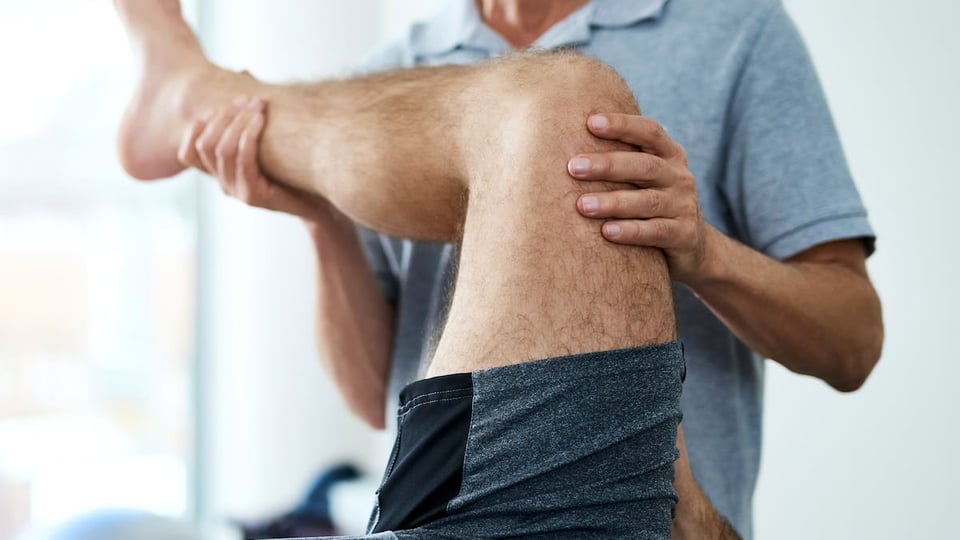
Evidence-based practice continues to push physical therapy forward in lower extremity (LE) evaluation and treatment. LE conditions are among the most prevalent in orthopedic physical therapy. The prevalence rates of common conditions include anterior knee pain 25%, patellar tendinopathy ranges from 5.8% - 22.8%, and achilles tendinopathy ranges from 7-9% in runners. As the population ages, osteoarthritis (OA) becomes even more important with 40% of people over age 65 having symptoms related to OA. Advancements related to conditions like tendinopathy, arthritis, femoral acetabular impingement, plantar fasciosis, patellofemoral pain, and bursitis dictate that today's rehabclinician stay abreast to latest research in order to optimize outcomes with their patients.This hands-on course aims to advance a clinician's understanding of the guidelines related to the hip, knee, and foot/ankle to facilitate differential diagnosis/medical screening for a hierarchical approach to intervention prescription producing more efficient and valuable care. Hands-on instruction and interactive presentation will allow attendees to analyze and implement LE evaluation and intervention strategies that can be utilized immediately in the clinic.HighlightsDevelop advanced examination strategies for differential diagnosis for the most common lower extremity conditionsImprove your ability to properly load and progress lower extremity exercise programsImmediately improve clinical reasoning and examination of...

Online Course

Includes all course content in digital format

Prerequisites Required
6 hours - Provided by Summit Professional Education
Innovative Treatments for the Hand, Wrist, and Elbow

Innovative Treatments for the Hand, Wrist, and Elbow

Tambra Marik, OT/L, OTD, CHT

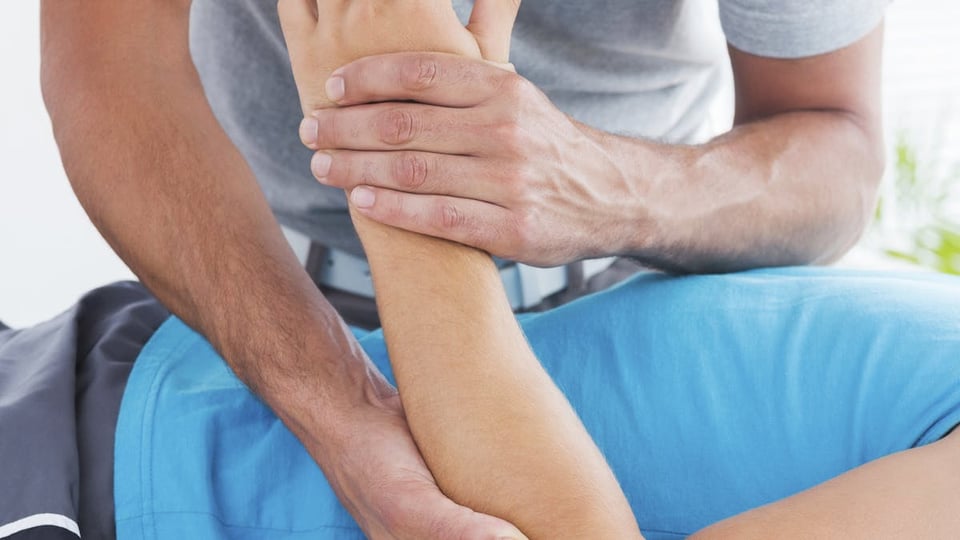
The elbow, forearm, and wrist comprise the lower half of a biological erector set. Together they can perform extremely gentle and precise actions such as writing a letter, painting a picture, threading a needle, or playing a violin. When patients suffer an injury to the hand, wrist or elbow, getting the right treatment is extremely important. And, for those who suffer chronic, painful conditions, proper care is critical in relieving discomfort, restoring function and mobility, and most of all, improving your patient's quality of life.This interactive, lab-based workshop will advance participant proficiency beyond traditional intervention techniques towards contemporary, innovative, and effective treatment strategies. The interventions introduced in this course will emphasize evidence, occupational, and technological-based practice for common upper extremity conditions. Participants will leave the course with a diverse and augmented skill set which enhances their expertise in patient care. Participants and their clients will benefit from the therapeutic dividends gained from elastic taping, manual techniques, pattern fabrication for basic hand orthoses, cognitive training, exercises, and utilization of technology to complement traditional therapy interventions. This course is designed to have immediate clinical application for orthopedic and neurological conditions of the upper extremity.HighlightsLearn clinical examination and provocative testing techniques for the hand, wris...

Online Course

Includes all course content in digital format

Prerequisites Required
6 hours - Provided by Summit Professional Education
Essentials for Assessing and Treating the Pediatric Orthopedic and Sports Patient

Essentials for Assessing and Treating the Pediatric Orthopedic and Sports Patient

Eric Bellm, PT, DPT, OCS

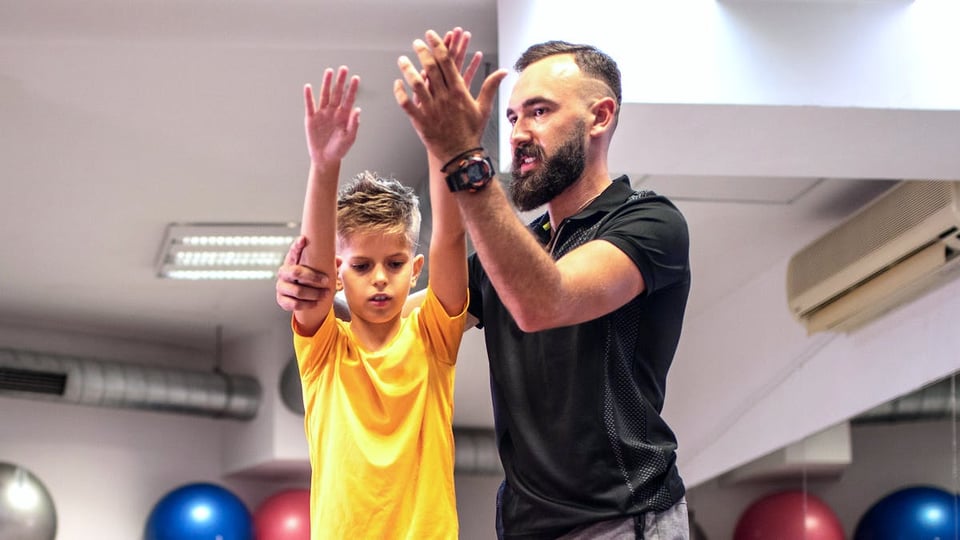
Treating our pediatric population more effectively not only allows us to alleviate their pain and return them back to activities quicker, but it also helps us make them better movers into their adult years. There are many differences that are easily noticed between the adult and pediatric population. It is essential that health care providers know all the ins and outs of their pediatric population to ensure they are giving the safest and most effective care. The pediatric patient has many variables to consider, including the ever-changing musculoskeletal system and the developing psychosocial system that play a major role in their healthcare.This workshop will equip attendees with the latest evidence-based evaluation and treatment skills needed to effectively treat their pediatric patients. Lecture sessions will highlight the essentials that clinicians need when working with pediatric spine, upper extremity, and lower extremity patients. Special focus will be placed on lab sessions, which will equip attendees with tools for assessing and treating patients when they return to the clinic the next day.*Hands on lab will be modified for Web based delivery formats into recorded demonstrationsHighlightsExpand your practice to better treat pediatric patients with both orthopedic and sports injuriesImprove your evaluation and diagnosing skills by practicing the most evidence-based tools for your pediatric populationEffective exercise and manual treatments to get your pediatric patien...

Online Course

Includes all course content in digital format

Prerequisites Required
6 hours - Provided by Summit Professional Education
Essential Assessment and Treatment Strategies for Pediatric Orthopedic Dysfunction

Essential Assessment and Treatment Strategies for Pediatric Orthopedic Dysfunction

Crystal Duda, MSPT

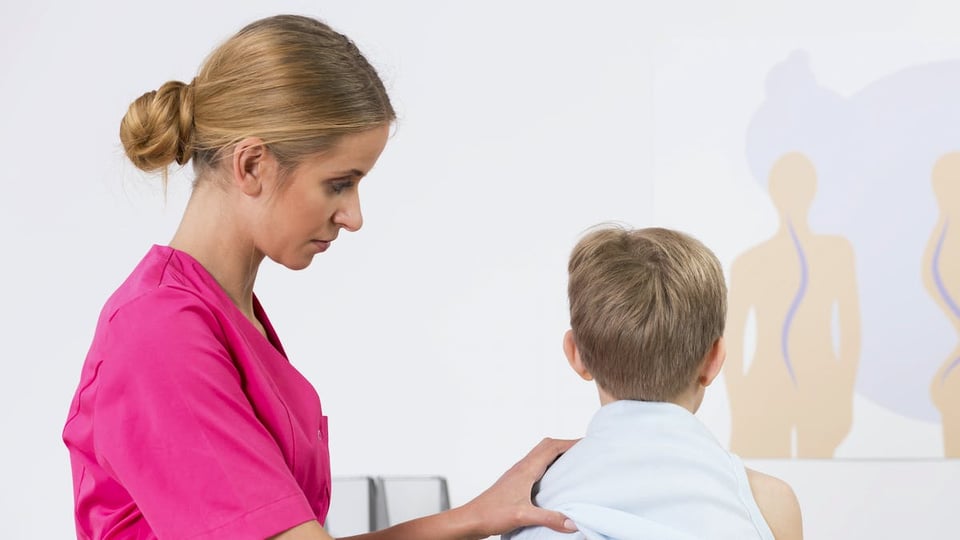
There are approximately 200 hospitals for children in theUS. For many families who cannot access their rehab services, they must rely on local outpatient clinics to provide therapy services for their children. Pediatric orthopedics is a challenging field relying on knowledge of developmental norms and evidence-based treatment intervention. Successful outcomes in pediatrics depend on clinicians prescribing customized stretching, strengthening, and positioning strategies that children will be successful at performing.This one of a kind workshop will review the developmental progression of motor skills and supply clinicians with ideas and resources to implement immediately with their pediatric patients. Attendees will also tune up their observation skills related to posture, functional mobility, and gait to help understand the need for further referrals to medical specialties such as orthopedics, neurology, and rheumatology. As practicing rehabilitation professionals working with young patients, when outcomes count, understanding and treating children respecting their age and stage, instead of as "little adults" is everything.HighlightsTransform your clinical decision making to help pediatric patients with orthopedic diagnoses including best practices for torticollis, scoliosis and gait abnormalitiesAssess developmental norms for functional movement patterns, joint alignment, and mobility to build better, more effective treatment plans specific to pediatric patientsRefresh your ...

Online Course

Includes all course content in digital format

Prerequisites Required
6 hours - Provided by Summit Professional Education