Physicourses Geriatrics

Results 21-23 of 23
Evidence-Based Strategies for Clients with Dementia

Evidence-Based Strategies for Clients with Dementia

Lisa Young Milliken, MA, CCC-SLP, FNAP, CDP, RAC- CT

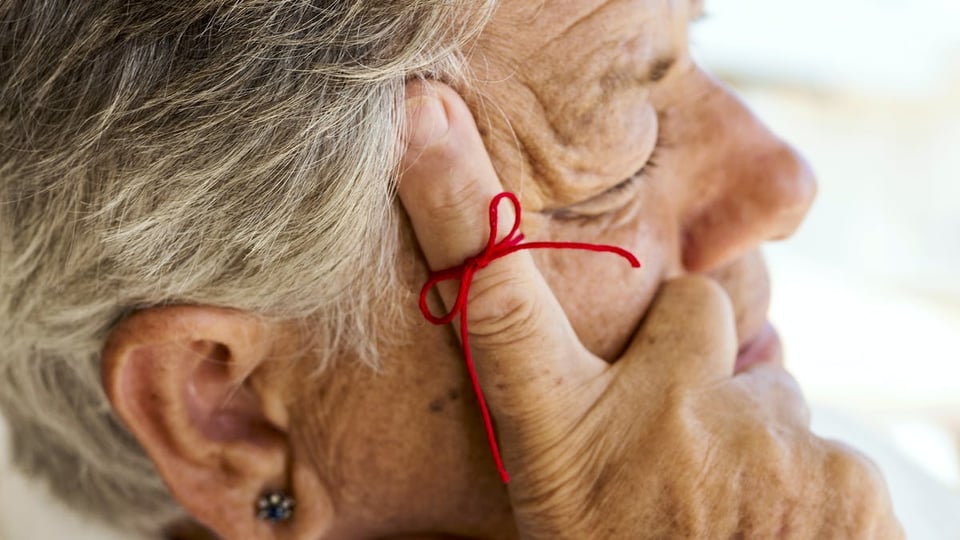
5.8 million people in the U.S. are living with dementia, and this number is expected to be 3 times greater by 2050. Thus, people with dementia will continue to be a significant part of our therapy caseloads, so it is important that we understand the evidence of how therapy can be most beneficial to these clients. Equally important is the ongoing education for our healthcare team members and our clients' family members. Such evidence promotes the use of each client's unique characteristics, life history, functional abilities, and strength- based approaches. Clinicians who are empowered with the recommended resources and understanding of such strategies will be equipped to make a significant difference in the lives of people who are living with dementia.This workshop will share comprehensive resources with all participants and include the application of evidence-based research for day to day practical strategies. Each segment will include hands-on approaches and interactive discussion to maximize skills for strategies that can immediately be put into practice. Participants will be able to implement such approaches with their clients at all levels, stages, and types of dementia.HighlightsCognitive, motor, and psychosocial differences between different types of diseases causing dementiaStrength-based tasks and compensatory strategies based on a person's assessed stage of dementiaRecommended pain assessments when a person with dementia is non-verbal and is in middle or late stages...

Online Course

Includes all course content in digital format

Prerequisites Required
6 hours - Provided by Summit Professional Education
Therapists Rehabilitation Strategies for Dementia Patients

Therapists Rehabilitation Strategies for Dementia Patients

Anysia Ensslen-Boggs, Ed.D., M.S., CCC-SLP

Dementia is a broad term for a decline in mental ability that is significant enough to interfere with a person's daily life. Over 5 million Americans are living with dementia; someone in the United States develops Alzheimer's disease every 65 seconds. This number is expected to double by 2030, and triple by 2050. Since there is no cure for dementia, this disease results in a progressive decline of cognitive and functional skills. Many individuals with dementia also experience behavioral changes, decreased safety awareness, difficulty eating/swallowing, and decreased independence completing ADLs. This course is designed for therapists and healthcare professionals so that they may improve outcomes, safety, and quality of life for individuals and their caregivers living with dementia.This course will facilitate learning about functional and evidence-based techniques, interventions, and education/training strategies. Participants will learn about assessments and screening tools which may be used at all stages of progressive cognitive decline, and how to use those tools to develop individualized treatment plans. Emphasis will be placed on interdisciplinary treatment, documentation challenges, improving patient safety, and caregiver education.HighlightsTypes of dementia and the neuroscience behind themConfidently examine physical and cognitive implications of dementia in order to more effectively implement evidence-based treatment approachesDevelop functional treatment plans for th...

Online Course

Includes all course content in digital format

Prerequisites Required
6 hours - Provided by Summit Professional Education
Arthritis, Osteoporosis, and Osteopenia

Arthritis, Osteoporosis, and Osteopenia

Jennifer Darby PT, DPT, GCS, CPAHA, CEEAA

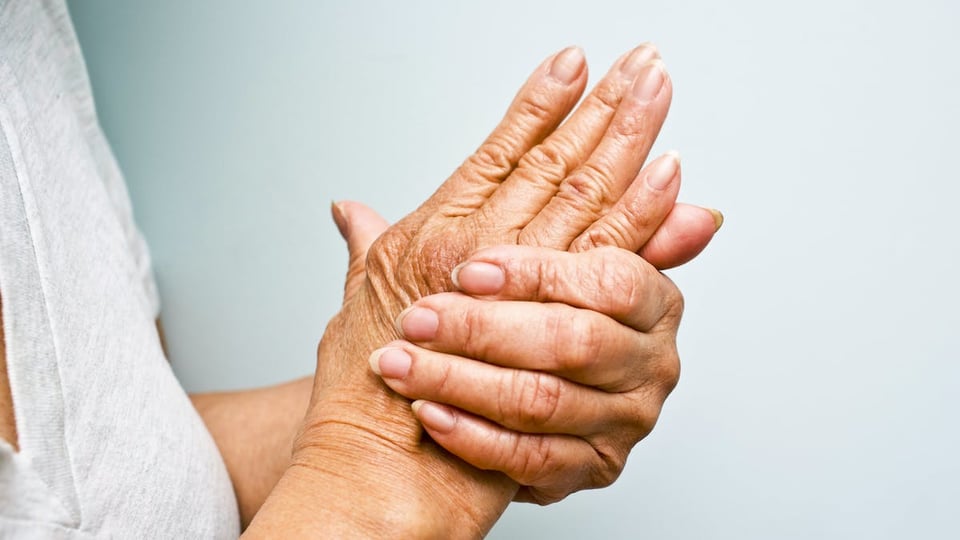
It is now estimated that one-third of the United States population has reported having a musculoskeletal disease. With the prevalence of this disease continuing to grow, it is important that therapists are equipped to positively impact quality of life and function for these patients. While exercise prescriptions are a very important component of treatment, it is also critical that we understand the positive and negative impact that nutrition, diet, and medications can play in the progressions of patient outcomes. Gaining an understanding in this area will promote the best treatment plan possible for improving pain, posture and function.This relevant, one-day workshop will focus on a comprehensive approach to effectively treating common musculoskeletal disease. Participants will review the latest research, biology, and common patient populations at risk for these diseases. Nutrition, diet, and the digestive process will be analyzed so that an understanding can be gained of how to play a positive role in this area. Pharmacological considerations will be evaluated to help participants recognize how these can effect exercise treatment. Participants will leave having the best practices for assessment and treatment of patients with arthritis, osteoporosis and osteopenia. Participants will take away exercise and strengthening considerations that will promote functional improvement for pain, posture, flexibility and overall quality of life.HighlightsUtilizing the most optimal exercis...

Online Course

Includes all course content in digital format

Prerequisites Required
6 hours - Provided by Summit Professional Education