Physicourses Geriatrics

Results 11-20 of 23
Caring for Dementia Patients

Caring for Dementia Patients

Anysia Ensslen-Boggs, Ed.D., M.S., CCC-SLP

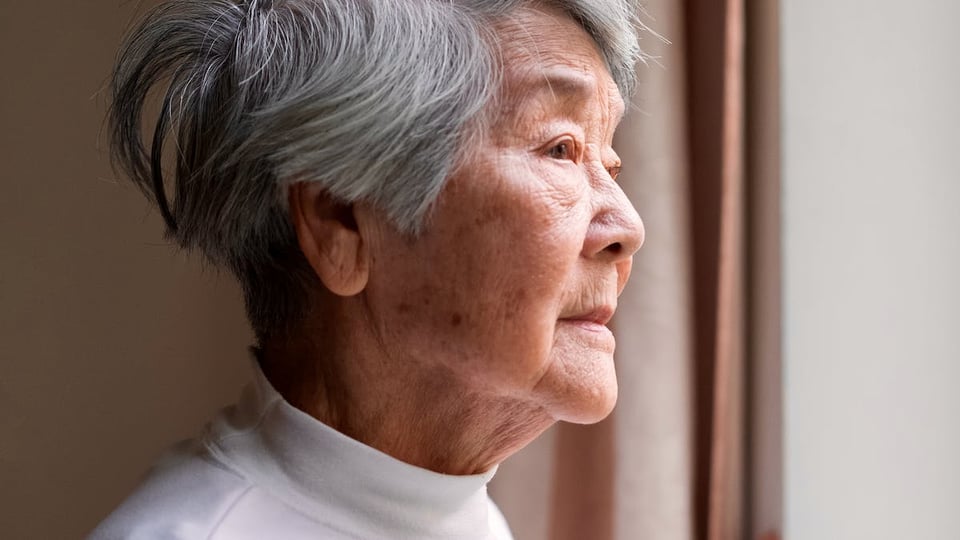
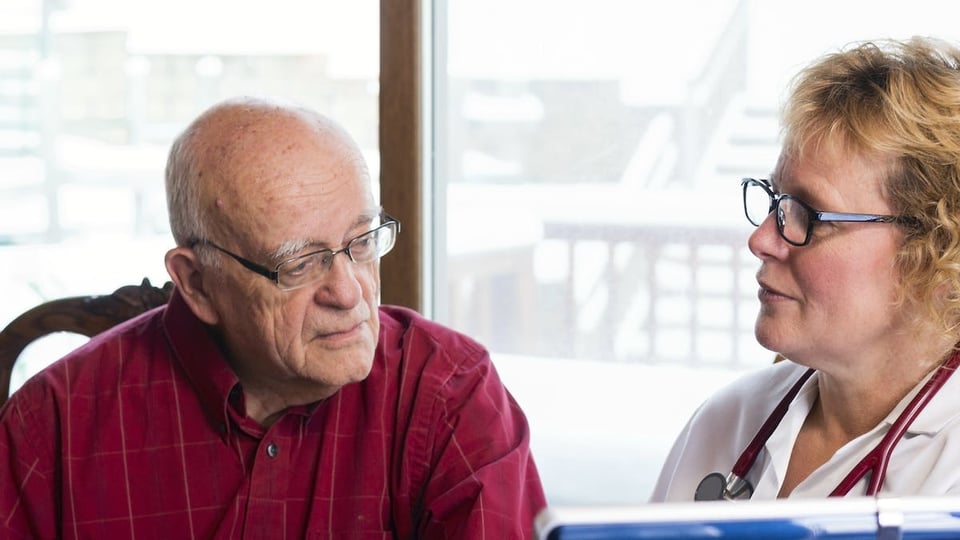
Dementia is a broad term for a decline in mental ability that is significant enough to interfere with a person's daily life. Over 5 million Americans are living with dementia; someone in the United States develops Alzheimer's disease every 65seconds. This number is expected to double by 2030, and triple by 2050. Since there is no cure for dementia, this disease results in a progressive decline of cognitive and functional skills. Many individuals with dementia also experience behavioral changes, decreased safety awareness, difficulty eating/swallowing, and decreased independence completing activities of daily living (ADLs). This course is designed for therapists and healthcare professionals so that they may improve outcomes, safety, and quality of life for individuals and their caregivers living with dementia. This course will teach functional and evidence-based techniques, interventions, and education/training strategies. Participants will learn about assessments and screening tools which may be used at all stages of progressive cognitive decline, and how to use those tools to develop individualized treatment plans. Emphasis will be placed on interdisciplinary treatment, documentation challenges, improving patient safety, and caregiver education.Highlights Improve your knowledge of the physical and cognitive implications of dementia in order to more effectively implement evidence-based treatment approaches Use evidence-based treatment approaches to increase participation in d...
Online Course

Includes all course content in digital format

Prerequisites Required
Caring for Dementia Patients
Stroke Rehab in the Home and Outpatient Settings

Stroke Rehab in the Home and Outpatient Settings

Mary Vanesko MOT, OTR/L, CIMI, CPY and Katie O'Shea, PT, DPT, MBA, GCS, CDP

According to the CDC, stroke causes 1 of every 20 deaths in the United States, killing nearly 130,000 Americans each year. Stroke is the fifth leading cause of death in theUnited States. Despite the increase in technology, physical and occupational therapists are frequently called upon to collaboratively plan for post-acute care services. This course will focus on discipline-specific interventions in the inpatient home and outpatient setting as well as collaborative interdisciplinary approach to care, while minimizing duplication services. This course is aimed to provide a systematic approach to understanding the home and outpatient examination and implementation of plan of care for the patient who has suffered from a stroke. The attendees will take home specific strategies to provide comprehensive evaluations and focus on functional outcomes. Through interdisciplinary discussion and real-life case studies, attendees will make insightful and accurate recommendations for the next level of care.Highlights Implement an effective evaluation and treatment for the stroke patient in the home or out-patient setting Safely apply individualized interdisciplinary assessment and intervention in the home and outpatient setting with patients who have suffered from a strokeEffective recommendations for discharge plans from the home and outpatient settings, and referral to community services

Online Course

Includes all course content in digital format

Prerequisites Required
2 hours - Provided by Summit Professional Education
Stroke Rehab in the Inpatient Rehabilitation Setting

Stroke Rehab in the Inpatient Rehabilitation Setting

Mary Vanesko, MOT, OTR/L, CIMI, CPY`s Katie O'Shea, PT, DPT, MBA, GCS, CDP

According to the CDC, stroke causes 1 of every 20 deaths in the United States, killing nearly 130,000 Americans each year. Stroke is the fifth leading cause of death in theUnited States. Despite the in-crease in technology, physical and occupational therapists are frequently called upon to collaboratively plan for post-acute care services. This course will focus on discipline-specific interventions in the inpatient rehab setting as well as collaborative interdisciplinary approaches to care, while minimizing duplication services. The goal for this course is to provide a systematic approach to understanding the inpatient rehab examination and implementation of POC for the patient who has suffered from a stroke. Attendees will take home specific strategies to provide comprehensive evaluations and focus on functional outcomes. Through interdisciplinary discussion and real-life case studies, attendees will make insightful and accurate recommendations for the next level of care.Highlights Implementing an effective evaluation and treatment for the patient by fully understanding the impact of stroke pathology in the rehab setting Safely apply individualized interdisciplinary assessment and intervention in the rehab setting with patients who have suffered from a stroke Promote safe and effective disposition recommendations and discharge plans from the post-acute setting in complicated cases

Online Course

Includes all course content in digital format

Prerequisites Required
2 hours - Provided by Summit Professional Education
Stroke Rehab in the Acute Care Setting

Stroke Rehab in the Acute Care Setting

According to the CDC, stroke causes 1 of every 20 deaths in the United States, killing nearly 130,000 Americans each year. Stroke is the fifth leading cause of death in theUnited States. Despite the increase in technology, physical and occupational therapists are frequently called upon to collaboratively plan for post-acute care services. This course will focus on discipline-specific interventions in the acute caresetting as well as collaborative interdisciplinary approach to care, while minimizing duplication of services. This course is aimed to provide a systematic approach to understanding the acute care examination and implementation of POC for the patient who has suffered from a stroke. The attendees will take home specific strategies to provide comprehensive evaluations and focus on functional outcomes. Through interdisciplinary discussion and real-life case studies, attendees will make insightful and accurate recommendations for the next level of care.Highlights Pathology of different types of strokes to implement an effective evaluation and treatment for the patientSafely apply individualized interdisciplinary assessment and intervention in the acute care setting with patients who have suffered from a stroke Promote safe and effective disposition recommendations and discharge plans from the acute care setting in complicated cases

Online Course

Includes all course content in digital format

Prerequisites Required
2 hours - Provided by Summit Professional Education
Parkinson's Disease: Causes, Symptoms, Assessment, and Treatment

Parkinson's Disease: Causes, Symptoms, Assessment, and Treatment

Anysia Ensslen-Boggs, Ed.D., M.S., CCC-SLP

Parkinson's disease (PD) is a neurodegenerative disorder that affects neurons in a specific area of the brain called the substantia nigra. Symptoms generally develop slowly over several years. The progression of symptoms is often quite different from one person to another due to the diversity of the disease. The Centers for Disease Control and Prevention (CDC) rated complications from PD as the 14th cause of death in the United States. Although there is no cure, treatment options can include medications, surgeries, physical, occupational, and/or speech therapy. While Parkinson's itself is not fatal, disease complications can be serious. It is possible to have a good to great quality of life while living with PD. The first step to living well with Parkinson's disease is to understand the nature of the disease and its progression. As rehabilitation professionals, it is important for us to understand the causes of PD, early signs of PD, movement and non-movement symptoms, and the various diagnosis and treatment options for those living with PD.Highlights Causes and symptoms of Parkinson's disease and how they can affect aspects of diagnosis and treatment within your specific discipline Diagnostic and therapeutic options when designing functional treatment plans for patients with Parkinson's disease

Online Course

Includes all course content in digital format

Prerequisites Required
2 hours - Provided by Summit Professional Education
Rehabilitation Considerations in Geriatric Oncology

Rehabilitation Considerations in Geriatric Oncology

Nicole Scheiman, DrOT, MHS, OTR/L, CLT-LANA, CKTP, CEES-Advanced, CES, CSST, CDCS, CORE

Age is the single most significant risk factor for developing cancer, with 60% of all newly diagnosed malignant tumors and 70% of all cancer deaths occurring in persons 65 years or older (Korc-Grodzicki & Tew, 2017). Increased survival, along with a rise in new diagnoses of cancer among older adults, makes geriatric cancer patients the largest proportion of the population of cancer survivors in the United States (Extermann, 2020). Therefore, clinicians working with the older adult population are charged with understanding cancer treatment paired with the unique needs of the aging individual. This course will improve your understanding of these distinct rehabilitation needs of the older adult with cancer to enable you to provide effective treatment options to enhance overall quality of life in your daily practice.Highlights Immediately improve your understanding of the unique rehabilitation needs of the older adult with cancer Confidently provide safe, effective, and age-friendly treatment options for older adults receiving medical intervention for cancer

Online Course

Includes all course content in digital format

Prerequisites Required
2 hours - Provided by Summit Professional Education
Nutrition Management for Dementia Patients

Nutrition Management for Dementia Patients

Jennifer Darby, PT, DPT, GCS, CCN, CPAHA, CEEAA

Worldwide, 50 million individuals have dementia, with 10 million new cases each year. In the older adult population, dementia is a major cause of dependence and disability. Roughly 50% of caregivers in the United States who care for older adults are providing for individuals with dementia. Nutrition is not what typically comes to mind when people think about dementia. However, nutrition is central to caring for those with dementia. A nutrition program for dementia that considers health, independence, and quality of life can profoundly enhance the lives of those living with dementia. This course will explore nutritional considerations for patients with dementia and other cognitive challenges and present the practitioner ideas that they will be able to incorporate into a comprehensive treatment program.HighlightsConfidently address nutrition and general nutritional recommendations set forth by the FDAEnhance your patient's treatment and recovery by adding a nutritional component to your overall plan of care

Online Course

Includes all course content in digital format

Prerequisites Required
2 hours - Provided by Summit Professional Education
Managing the Complex Presentations of Parkinson's Disease

Managing the Complex Presentations of Parkinson's Disease

Meredith Roberts Lo, PT, DPT

Close to 1 million people have Parkinson's in the U.S. This results in over $52 billion spent on health care and lost wages according to the Parkinson's Foundation's recent study. As therapists we are seeing more and more individuals not only with typical Parkinson's but more complex movement disorders. Are your treatment strategies effective enough or are you throwing darts at the wall? Our interventions must be specific and intense to reduce the risk of falls and return patients to their ADLs effectively and quickly. With the right understanding of complex motor control impairments and treatment tools you can optimize your outcomes and continue to be reimbursed for therapy. Avoid banging your head against the wall and get the treatment techniques you need to help optimize your patients' outcomes in Parkinson's. Go beyond the basics.This workshop will enhance your basic understanding of Parkinson's disease and allow you to optimize your patient outcomes in this complex movement disorder. No two patients are alike, and atypical Parkinson's disease often shows up in our patient presentations along with difficult to manage motor and non-motor impairments. These symptoms can often limit the effectiveness of our interventions.Throughout this course we will examine key components of complex movement disorders to understand them more fully. Through case and video examples we will apply treatment strategies that are effective, and evidence based. At the end of this course, you will ...

Online Course

Includes all course content in digital format

Prerequisites Required
2 hours - Provided by Summit Professional Education
Rehab for the Functional Aging Adult

Rehab for the Functional Aging Adult

Andrew Morgan, PT, DPT, MBA

The population of older adults in the United States continues to grow, but many of those adults are staying active well into their 80s. Studies show that an active lifestyle can slow the "normal" age-related changes that older adults frequently experience. Reducing fall risk and improving functional independence are essential roles of the home health therapist. Stay current with effective treatment approaches to improve outcomes and your patients' quality of life.This course will explain that while no longer playing football, the geriatric "athlete" can be viewed through a sports medicine lens. Clinicians just need to understand the"sport". This practical one-day course will provide easy to implement therapeutic exercises and interventions in order to yield optimal outcomes. Participants will learn through the use of lab* techniques, case studies, and problem-based learning strategies. Clinicians will return to their clinics or patients' homes with new ways to progress patients and improve long- term adherence to exercise programs.*Hands on lab will be modified for Web based delivery formats into recorded demonstrationsHighlightsUnderstand "normal" age-related changes and what we can do to slow themImmediate, quick, and easy modifications to therapeutic exercises to progress patients and improve adherenceGain a multidisciplinary approach of assessment to get the most out of your treatment for issues such as bariatrics, neurological disorders, respiratory issues, cancer, chron...

Online Course

Includes all course content in digital format

Prerequisites Required
6 hours - Provided by Summit Professional Education
Evidence-Based Techniques to Build Your Parkinson's Disease Toolbox

Evidence-Based Techniques to Build Your Parkinson's Disease Toolbox

Meredith Roberts, PT, DPT

Patients diagnosed with Parkinson's disease can get better and stay better; however, no two people with Parkinson's are alike. This presents unique challenges to the therapist spanning physical, emotional, cognitive and socialdomains. All too often therapists are not equipped with the proper knowledge on how to adapt and create the most optimal assessment and exercise plan for patients with Parkinson's disease. With the proper knowledge, the therapist can obtain consistent positive outcomes and empower your clients to live their best life.This hands-on workshop will provide therapists with practical and effective tools to make a difference the next session with a patient with Parkinson's disease. Participants will understand the barriers to obtaining positive outcomes and leap over them with hands-on application, case study review and discussion. Participants will leave with the confidence to produce evidence-based interventions that will improve therapeutic outcomes while working with patients with Parkinson's disease.HighlightsImmediately improve your clients functional mobility and ADLs using practical and effective treatment techniquesBecome knowledgeable of the latest research and pharmacological considerations for Parkinson's diseaseLearn how to convert your assessment into successful treatment strategies that produce positive outcomes in each sessionHands-on lab training to address the most challenging symptoms including freezing of gait, duel tasking and other physica...

Online Course

Includes all course content in digital format

Prerequisites Required
6 hours - Provided by Summit Professional Education