Physicourses Digital Subscription

Results 121-127 of 127
Functional Amputee Rehabilitation

Functional Amputee Rehabilitation

Daniel J. Lee, PT, DPT, GCS

It is estimated that 185,000 individuals will undergo a limb amputation each year with hospitalization costs of $8.3 billion dollars per year. Being able to effectively manage the rehabilitation of individuals with limb loss can maximize functional mobility and minimize preventable secondary complications. Care for the individual with limb loss spans all clinical settings and requires the knowledge of both sound rehabilitation principles as well as that of the various prosthetic hardware configurations. To provide the best care and prevention from complications such as wound development or even re-amputation, specific training is required to effectively care for the patient with limb loss.This hands-on workshop will teach you examination, intervention, and goal setting strategies specific to the limb loss population that can be applied immediately after the course is completed. Through hands-on labs you will learn how to properly care for the residual limb, problem solve prosthetic fit issues, and modify common positions to emphasize functional postures. By the end of the course participants will be able to examine and treat an adult patient with lower limb loss in any setting you work in.HighlightsImmediately improve your ability to evaluate and treat individuals with limb loss with evidence-based examination and intervention skillsLearn the top 10 red flags to successful recovery in individuals with limb lossEasily implement techniques and skills learned in this class to th...

Online Course

Includes all course content in digital format

Prerequisites Required
6 hours - Provided by Summit Professional Education
Therapists Rehabilitation Strategies for Dementia Patients

Therapists Rehabilitation Strategies for Dementia Patients

Anysia Ensslen-Boggs, Ed.D., M.S., CCC-SLP

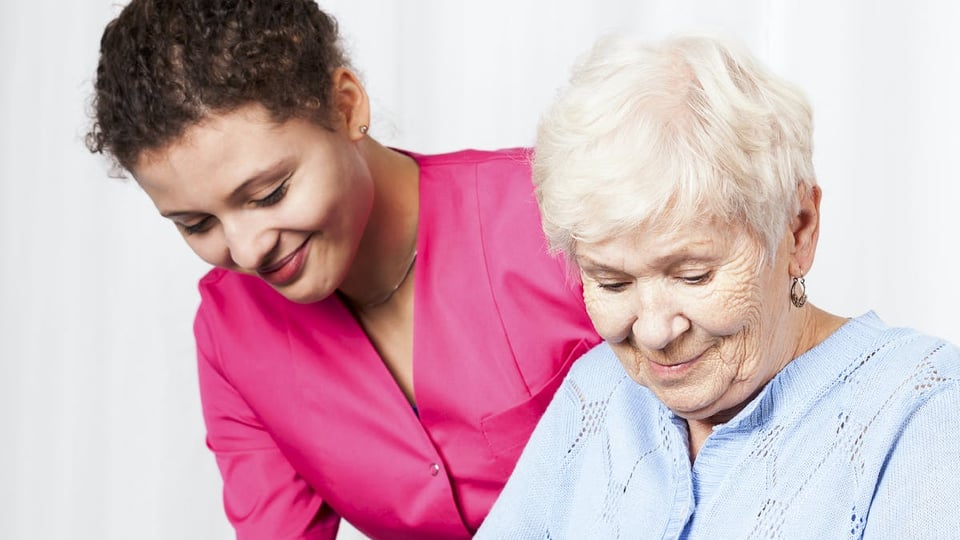
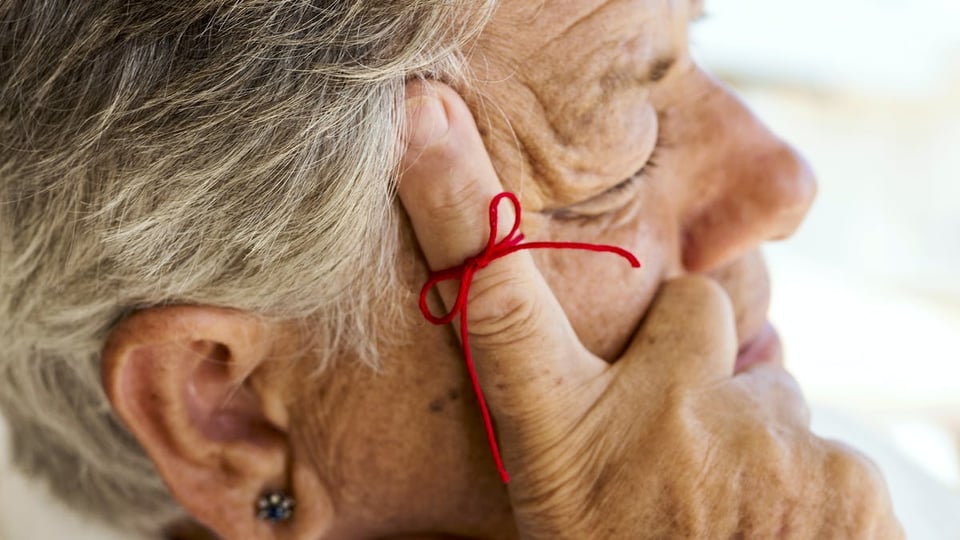
Dementia is a broad term for a decline in mental ability that is significant enough to interfere with a person's daily life. Over 5 million Americans are living with dementia; someone in the United States develops Alzheimer's disease every 65 seconds. This number is expected to double by 2030, and triple by 2050. Since there is no cure for dementia, this disease results in a progressive decline of cognitive and functional skills. Many individuals with dementia also experience behavioral changes, decreased safety awareness, difficulty eating/swallowing, and decreased independence completing ADLs. This course is designed for therapists and healthcare professionals so that they may improve outcomes, safety, and quality of life for individuals and their caregivers living with dementia.This course will facilitate learning about functional and evidence-based techniques, interventions, and education/training strategies. Participants will learn about assessments and screening tools which may be used at all stages of progressive cognitive decline, and how to use those tools to develop individualized treatment plans. Emphasis will be placed on interdisciplinary treatment, documentation challenges, improving patient safety, and caregiver education.HighlightsTypes of dementia and the neuroscience behind themConfidently examine physical and cognitive implications of dementia in order to more effectively implement evidence-based treatment approachesDevelop functional treatment plans for th...

Online Course

Includes all course content in digital format

Prerequisites Required
6 hours - Provided by Summit Professional Education
Fall Prevention Strategies

Fall Prevention Strategies

Brian Trzaskos PT, LMT, CSCS, CMP, MI-C

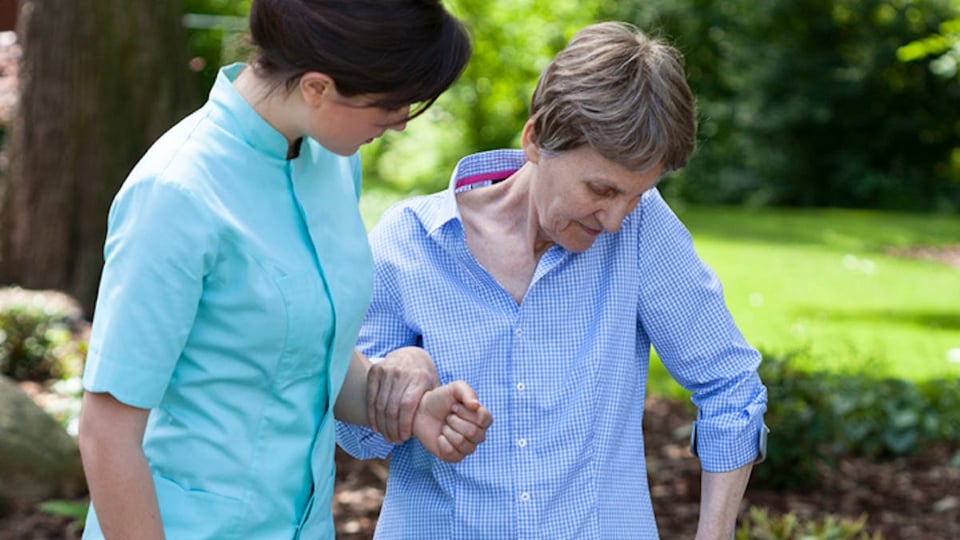
The CDC, government programs, and major medical systems believe that fall risk is a growing epidemic with more than one third of adults over 65 years old falling annually and 30% of those people suffering moderate to severe injuries. In 2012, the total cost for fall related injuries in older adults alone was 30 billion dollars. Integrative fall prevention strategies are multidimensional, simultaneously addressing multiple fall risk factors and leading to more effective, cost reducing and sustainable patient outcomes. Over 127 million Americans seek complementary and integrative health care services annually and the most successful clinicians know that meeting this growing need offers a huge advantage in providing superior quality care.Integrative rehabilitation professionals realize that the body and mind function inseparably in all human activity. This insightful and innovative program will transform traditional fall prevention thinking into a more holistic concept of care by outlining a simple set of integrative rehabilitation principles. Throughout the day, participants will practice research supported integrative movement and manual strategies that can be immediately applied in diverse clinical settings resulting in lower cost and highly effective balance enhancement outcomes.HighlightsImmediately apply integrative thought, movement, and manual strategies that prevent falls in diverse clinical settingsMaster the four pillars of integrative neuromuscular balanceExperience ...

Online Course

Includes all course content in digital format

Prerequisites Required
6 hours - Provided by Summit Professional Education
Strengthening Core Stability

Strengthening Core Stability

Lori Duncan, PT, DPT, MTC, CPT

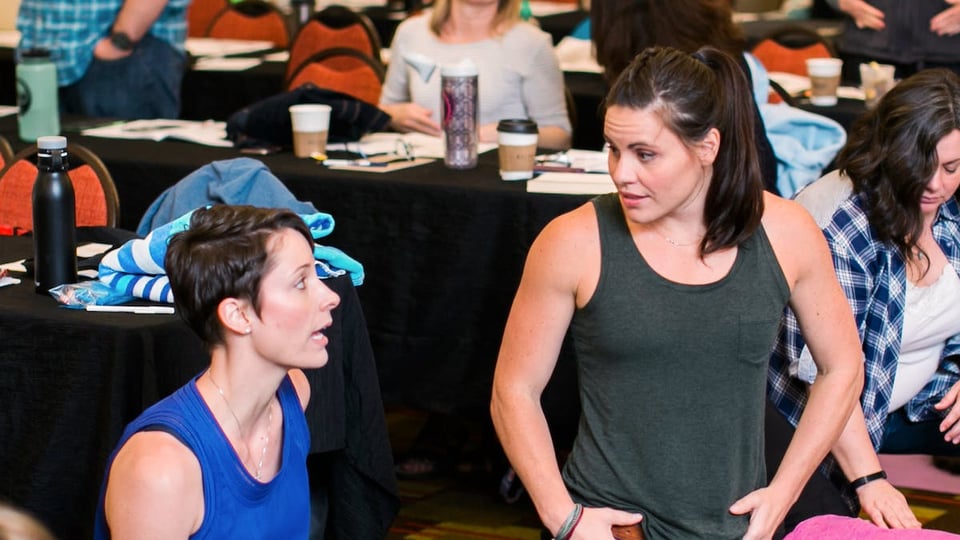
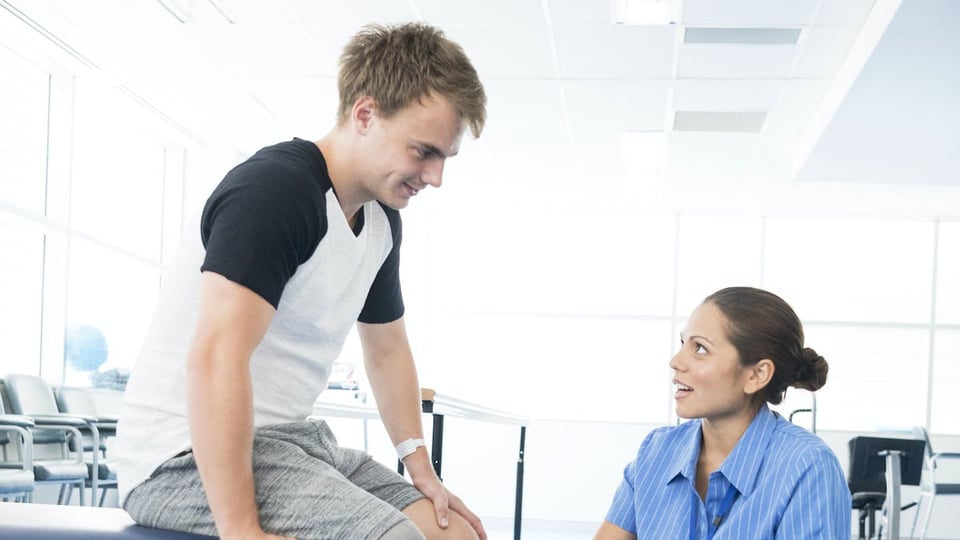
Mobility on stability is one of the most important aspects of efficient and pain-free function and Pilates is a powerful tool to accomplish this concept. With most exercises "off the ground," Pilates safely teaches dissociation of movement, intrinsic stability and effective breathing that will improve balance, posture, gait and decrease fall risk. Each exercise has multiple benefits including stability, ROM and strength allowing the patient to spend less time on HEP while improving functional outcomes. Pilates is magic for the neuromuscular system, effectively teaching patients how to move their body through space for optimal function.This one-day, interactive workshop will teach over 50 exercises for optimal dissociation of movement with emphasis on trunk stability for safe weight-bearing activity. Participants will learn how to apply the 6 Pilates Principles to all therapeutic exercises to enhance home exercise plan compliance and optimize reimbursement. Modifications and progressions to each exercise will be demonstrated with hands-on lab-based learning and assessment. Participants will increase their knowledge of breathing, true core activation and be able to teach their patients the next day.HighlightsInnovative, proven methods to strengthen the core inpatients with common orthopedic injuries, post-operative rehab, fall risks, and chronic painEffective, evidence-based therapeutic exercises for the whole body to improve posture, balance, and gaitImmediately improve your c...
Online Course

Includes all course content in digital format

Prerequisites Required
6 hours - Provided by Summit Professional Education
Arthritis, Osteoporosis, and Osteopenia

Arthritis, Osteoporosis, and Osteopenia

Jennifer Darby PT, DPT, GCS, CPAHA, CEEAA

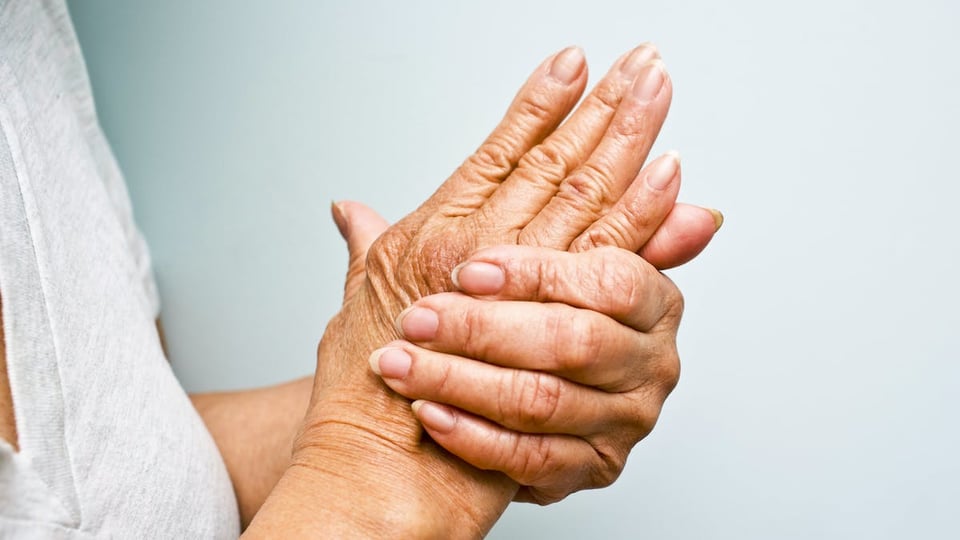
It is now estimated that one-third of the United States population has reported having a musculoskeletal disease. With the prevalence of this disease continuing to grow, it is important that therapists are equipped to positively impact quality of life and function for these patients. While exercise prescriptions are a very important component of treatment, it is also critical that we understand the positive and negative impact that nutrition, diet, and medications can play in the progressions of patient outcomes. Gaining an understanding in this area will promote the best treatment plan possible for improving pain, posture and function.This relevant, one-day workshop will focus on a comprehensive approach to effectively treating common musculoskeletal disease. Participants will review the latest research, biology, and common patient populations at risk for these diseases. Nutrition, diet, and the digestive process will be analyzed so that an understanding can be gained of how to play a positive role in this area. Pharmacological considerations will be evaluated to help participants recognize how these can effect exercise treatment. Participants will leave having the best practices for assessment and treatment of patients with arthritis, osteoporosis and osteopenia. Participants will take away exercise and strengthening considerations that will promote functional improvement for pain, posture, flexibility and overall quality of life.HighlightsUtilizing the most optimal exercis...

Online Course

Includes all course content in digital format

Prerequisites Required
6 hours - Provided by Summit Professional Education
Neurological Disorders

Neurological Disorders

Catherine Valentino OTR/L, OTD, BS, MHS

This workshop will apply new research on the relationship of cognition in mobility to allow participants to truly develop successful clinical pathways. With the insurance focus on functional outcomes this course will provide a necessary bridge between medical complexities and functional applications. Healthcare providers are now, more than ever, asked to justify the personal meaning behind each episode of care. With this needed shift to more client-centered care is it vital that each clinician understands emerging research and be able to apply this client-centered focus to patients in their care.The relationship between cognition and movement has always been a complex and intricate one. Creating a foundations course which creates a holistic knowledge base for all clinicians will facilitate better plans of care, client understanding, and interdisciplinary communication which will allow the client to truly receive the best care possible. By developing a clear base of knowledge of not only the conditions, but also the complex relationship between cognition and mobility, participants will be able to create functionally based plans of care and therapy interventions that will be successful and meaningful for each client.HighlightsDifferentiate the anatomical and physiological understanding of what area of the brain are impacted with a diagnosis of CVA, Parkinson's and Multiple SclerosisConfidently assess your client to develop functional plans of care, interventions, and outcomesPr...

Online Course

Includes all course content in digital format

Prerequisites Required
6 hours - Provided by Summit Professional Education
Vestibular Rehab & Balance Training unpublished

Vestibular Rehab & Balance Training unpublished

Karen Hogan-Curran, PT, DPT

According to the Vestibular Disorders Association, over 90 million Americans age 17 and older, have experienced a dizziness or balance problem at some point in their lives. Almost 8 million people in the US have a problem with balance that has lasted over 3 months and 2.5 million report a chronic dizziness problem. With the large amount of baby boomers entering "retirement age", there is increased concern about falling. Most people over the age of 70 report some problem with dizziness and balance and balance-related falls account for more than one-half of the accidental deaths in the elderly. In addition, individuals with a diagnosed vestibular problem who also exhibit symptoms have an incidence of falling that is 12 times that of the general population. Overall, the cost of medical care for patients with balance disorders exceeds $1 billion per year in the US. Getting effective treatment is frequently complicated by the challenge of diagnosing the specific source of the problem and finding clinicians with the knowledge and experience to treat these problems.This interactive workshop will cover the anatomy, physiology and function of the vestibular system and the vestibular system's important role in balance and mobility. It is designed to give therapists and clinicians basic essential information needed to assess and treat uncomplicated vestibular dysfunction as well as incidence, diagnosis and treatment of balance related disorders. Attendees will learn the various types of...

Online Course

Includes all course content in digital format

Prerequisites Required
6 hours - Provided by Summit Professional Education