Physicourses Digital Subscription

Results 101-110 of 127
Innovative Treatments for the Hand, Wrist, and Elbow

Innovative Treatments for the Hand, Wrist, and Elbow

Tambra Marik, OT/L, OTD, CHT

The elbow, forearm, and wrist comprise the lower half of a biological erector set. Together they can perform extremely gentle and precise actions such as writing a letter, painting a picture, threading a needle, or playing a violin. When patients suffer an injury to the hand, wrist or elbow, getting the right treatment is extremely important. And, for those who suffer chronic, painful conditions, proper care is critical in relieving discomfort, restoring function and mobility, and most of all, improving your patient's quality of life.This interactive, lab-based workshop will advance participant proficiency beyond traditional intervention techniques towards contemporary, innovative, and effective treatment strategies. The interventions introduced in this course will emphasize evidence, occupational, and technological-based practice for common upper extremity conditions. Participants will leave the course with a diverse and augmented skill set which enhances their expertise in patient care. Participants and their clients will benefit from the therapeutic dividends gained from elastic taping, manual techniques, pattern fabrication for basic hand orthoses, cognitive training, exercises, and utilization of technology to complement traditional therapy interventions. This course is designed to have immediate clinical application for orthopedic and neurological conditions of the upper extremity.HighlightsLearn clinical examination and provocative testing techniques for the hand, wris...
Online Course

Includes all course content in digital format

Prerequisites Required
6 hours - Provided by Summit Professional Education
Therapeutic Exercise and Manual Therapy

Therapeutic Exercise and Manual Therapy

Alex Siyufy DPT, ATC, SCS, Cert. MDT, Cert. DN

Do you know which exercises will "best" recruit the rotator cuff musculature? The gluteals? This workshop is designed to provide the medical professional with an understanding of research findings combined with clinically relevant therapeutic exercise and manual therapy techniques. This workshop will provide extensive hands-on lab time in order to practice and refine your manual therapy skills. While exercises are often beneficial, individuals are often assigned too many exercises with excessive parameters and this can be ineffective.This workshop will enhance the clinician's critical reasoning process by providing the most recent advances to further enhance evidence-informed practice. Each participant will receive a comprehensive workshop manual with multiple summary tables that detail "take home" findings from the research studies. Expand your toolbox and learn manual therapy techniques to deactivate trigger points. The exercises and manual therapy techniques taught can be immediately implemented into practice with patients, athletes and clients.HighlightsEffectively combine manual therapy and therapeutic exercises to improve functional outcomes in patients and optimize reimbursementPractice myofascial release techniques that relieve pain and improve ROM in your patients in 60-90 secondsPractical and creative exercises for the shoulder impingement and the rotator cuff to mobilize the joint and improve functional reachWorkshop manual that spans the research and includes cust...

Online Course

Includes all course content in digital format

Prerequisites Required
6 hours - Provided by Summit Professional Education
Evidence-Based Edema, Skin, and Wound Care

Evidence-Based Edema, Skin, and Wound Care

Dana Davis, PT, DPT, CWS

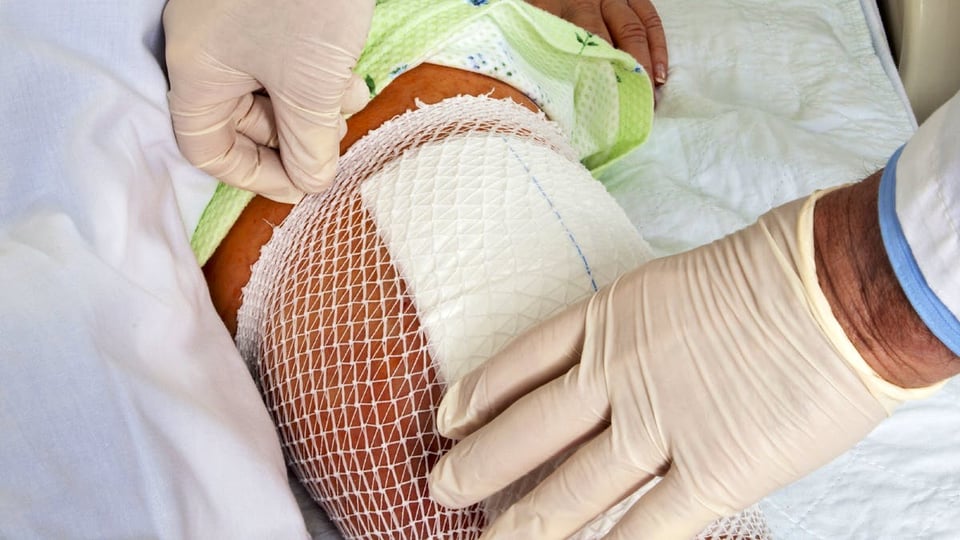
As a large percentage of our population ages, coupled with an increase in comorbidities such as diabetes and cardiovascular complications, it is logical to estimate that the number of chronic wounds will continue to accelerate. Therefore, knowledge and implementation of evidence-based wound care is critical to improving the outcomes for this population. Not only is it vital to provide the best quality of care for the patient, it is also critical for reimbursement from Medicare, Medicaid, and private insurance companies.This one-day workshop will provide you with the knowledge base and tools to provide advanced, up to date wound assessment. It will equip you with clinical skills important for the wound care professional in multiple environments. In addition to improving your knowledge base for clinical wound care and efficient treatment strategies, you will also be able to identify different types of compression wraps, advanced wound dressings, debridement techniques, and the importance of Arterial Brachial Index (ABI). This workshop will also help guide you in identification of wound etiologies, tissue composition, debridement techniques, and practical strategies for implementation in the clinical setting. Participants will learn how to incorporate evidence-based assessments into a plan of care and establish appropriate and measurable goals to track progression of wounds, as well as prevention of new wounds.*Hands on lab will be modified for Web based delivery formats into re...

Online Course

Includes all course content in digital format

Prerequisites Required
6 hours - Provided by Summit Professional Education
Assessment Strategies and Evidence-Based Solutions for Low Vision

Assessment Strategies and Evidence-Based Solutions for Low Vision

T. Daniel Walters, PT, DPT, GCS

Low vision is defined as visual impairment that cannot be corrected with standard refractive, therapeutic, or surgical methods. Physical and occupational therapy play an integral role in improving functional independence and enhancing remaining vision to prevent or minimize disability. Twelve million Americans are living with age-related macular degeneration and 3.36 million Americans are living with Glaucoma; two of the most common eye diseases resulting in low vision and blindness in older adults. Visual impairment in older adults often leads to negative impacts on overall health and significant difficulty with ADLsThis workshop will provide attendees with the skills needed to effectively assess and treat those affected by low vision. This course aims to add value to clinical practice and clients overall health by improving objectively measured outcomes, increasing ADL independence, preventing falls, and functional decline. This workshop employs a wide variety of teaching and learning methods to maximize retention and carryover for next-day application into clinical practice. This course includes problem-based learning, hands on labs, lectures, videos, and interactive discussion. As clinicians, we should always remember that an ounce of prevention is worth a pound of cure!HighlightsExplain four common age-related and pathologic changes affecting older adults that result in low vision.Employ five assessment tools to identify vision related impairments resulting in mobility ...

Online Course

Includes all course content in digital format

Prerequisites Required
6 hours - Provided by Summit Professional Education
Evaluation and Treatment of Vestibular Disorders

Evaluation and Treatment of Vestibular Disorders

Jean A. McConnell, MS, PT, ATC

According to the Vestibular Disorders Association, nearly100 million Americans have experienced a vestibular problem at some point in their lives. There are numerous causes of vestibular dysfunction and the symptoms are many. Head trauma, cervical dysfunction, soft tissue and bony malalignment, and bacterial and viral infections are just some of the causative factors relating to headache, dizziness and vertigo related syndromes. This workshop is designed to enhance participants' awareness of the various indicators relating to headaches, dizziness, vertigo, gait and balance dysfunctions. Individuals with a diagnosed vestibular problem who also exhibit symptoms have an incidence of falling that is 12 times that of the general population. Overall, the cost of medical care for patients with balance disorders exceeds $1 billion per year in the US. Getting effective treatment is frequently complicated by the challenge of diagnosing the specific source of the problem and finding clinicians with the knowledge and experience to treat these individual co-morbid diagnoses.This workshop will identify the broad based aspects relating to the complicated dizzy/vertigo/headache/balance compromised patient. There will be an overview of the multiple diagnoses and many syndromes associated with complicated patients who exhibit potential vestibular dysfunction. Participants will learn to combine practical assessment techniques with effective treatment options including different manual therapy a...

Online Course

Includes all course content in digital format

Prerequisites Required
6 hours - Provided by Summit Professional Education
Rehab for the Functional Aging Adult

Rehab for the Functional Aging Adult

Andrew Morgan, PT, DPT, MBA

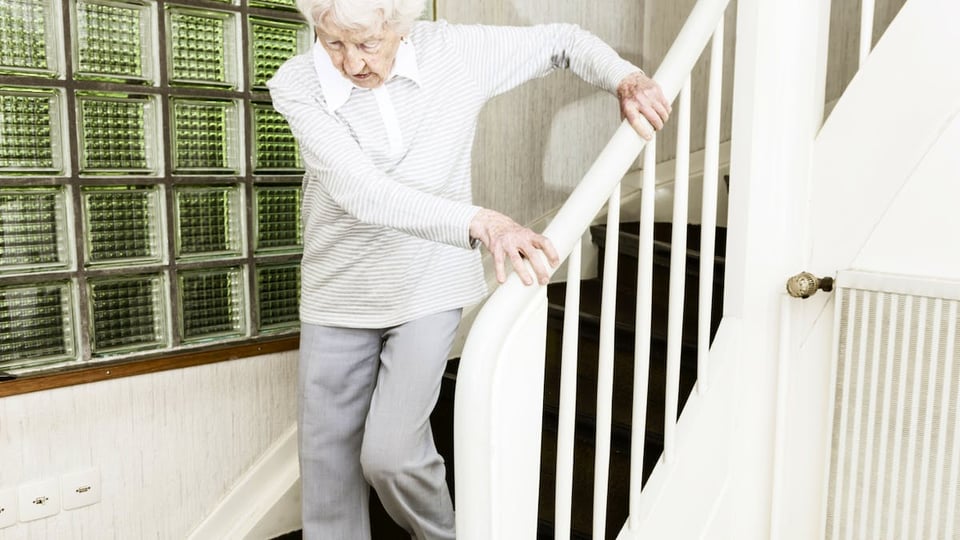
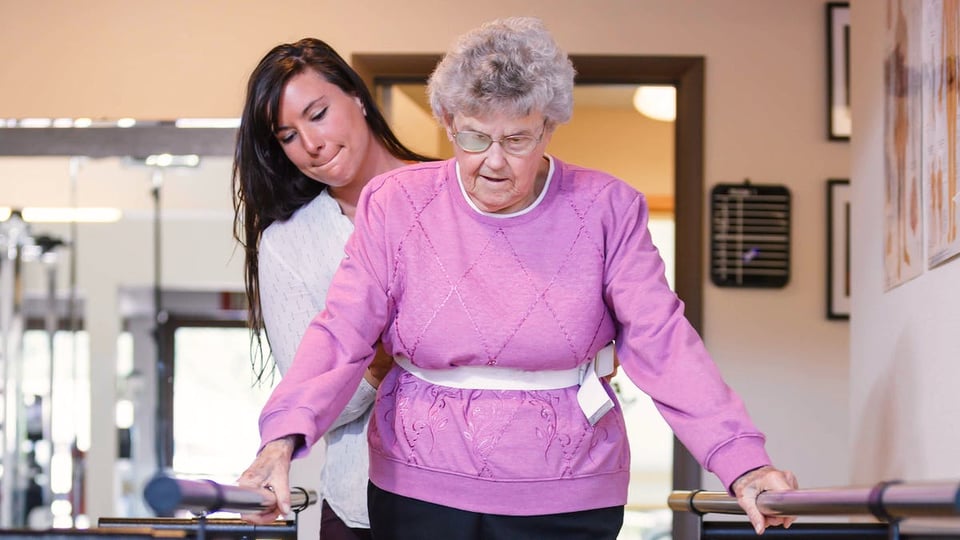
The population of older adults in the United States continues to grow, but many of those adults are staying active well into their 80s. Studies show that an active lifestyle can slow the "normal" age-related changes that older adults frequently experience. Reducing fall risk and improving functional independence are essential roles of the home health therapist. Stay current with effective treatment approaches to improve outcomes and your patients' quality of life.This course will explain that while no longer playing football, the geriatric "athlete" can be viewed through a sports medicine lens. Clinicians just need to understand the"sport". This practical one-day course will provide easy to implement therapeutic exercises and interventions in order to yield optimal outcomes. Participants will learn through the use of lab* techniques, case studies, and problem-based learning strategies. Clinicians will return to their clinics or patients' homes with new ways to progress patients and improve long- term adherence to exercise programs.*Hands on lab will be modified for Web based delivery formats into recorded demonstrationsHighlightsUnderstand "normal" age-related changes and what we can do to slow themImmediate, quick, and easy modifications to therapeutic exercises to progress patients and improve adherenceGain a multidisciplinary approach of assessment to get the most out of your treatment for issues such as bariatrics, neurological disorders, respiratory issues, cancer, chron...

Online Course

Includes all course content in digital format

Prerequisites Required
6 hours - Provided by Summit Professional Education
A Rehab Professional's Guide to Pharmacology

A Rehab Professional's Guide to Pharmacology

Chad Hensel, PT, DPT, MHS, CSCS

While pharmacology is a critical component in the medical model of patient management, it is also one of the weakest areas of learning in most education programs for rehabilitation professionals. Thus, rehab specialists, unfortunately, often do not have the necessary background knowledge to understand and compensate for the ways that different medications may be negatively affecting their clients' outcomes. Despite this, they are frequently asked to document and report on their patient's medications!This essential one-day workshop will increase attendees' comfort level with working around medication effects by presenting key information on pharmacology. Lab time will include review of drug commercial effectiveness and medical chart reviews. This course will cover the more popular and commonly encountered pharmacologics in rehab settings, including pain and cardiac medications, anti-inflammatories, muscle relaxers, and antibiotics as well as vitamin and mineral supplements in relation to this topic. Side effects that can affect rehabilitation through altered coordination, balance, cognition and swallowing will be specifically discussed, along with drug interaction risks. In addition, all attendees will receive a practical, quick-reference handout on pharmacology specifically developed for rehabilitation professionals. After completing this course, attendees will see improved results in their daily practice through their recognition of patients' medication effects and ready kno...

Online Course

Includes all course content in digital format

Prerequisites Required
6 hours - Provided by Summit Professional Education
Evidence-Based Techniques to Build Your Parkinson's Disease Toolbox

Evidence-Based Techniques to Build Your Parkinson's Disease Toolbox

Meredith Roberts, PT, DPT

Patients diagnosed with Parkinson's disease can get better and stay better; however, no two people with Parkinson's are alike. This presents unique challenges to the therapist spanning physical, emotional, cognitive and socialdomains. All too often therapists are not equipped with the proper knowledge on how to adapt and create the most optimal assessment and exercise plan for patients with Parkinson's disease. With the proper knowledge, the therapist can obtain consistent positive outcomes and empower your clients to live their best life.This hands-on workshop will provide therapists with practical and effective tools to make a difference the next session with a patient with Parkinson's disease. Participants will understand the barriers to obtaining positive outcomes and leap over them with hands-on application, case study review and discussion. Participants will leave with the confidence to produce evidence-based interventions that will improve therapeutic outcomes while working with patients with Parkinson's disease.HighlightsImmediately improve your clients functional mobility and ADLs using practical and effective treatment techniquesBecome knowledgeable of the latest research and pharmacological considerations for Parkinson's diseaseLearn how to convert your assessment into successful treatment strategies that produce positive outcomes in each sessionHands-on lab training to address the most challenging symptoms including freezing of gait, duel tasking and other physica...

Online Course

Includes all course content in digital format

Prerequisites Required
6 hours - Provided by Summit Professional Education
What Every Therapist Needs to Know About Dysphagia

What Every Therapist Needs to Know About Dysphagia

Karen Sheffler, MS, CCC-SLP, BCS-S

This course will review the swallowing basics through use of dynamic, multi-media lectures and hands-on labs.Labs will explore oral-sensorimotor examinations, case history taking, thickening liquids, food consistency testing, complying with the new IDDSI standards, and more. Participants will dive into challenging ethical and end-of-life topics in small group discussions. Therapists should no longer feel like a novice or too scared to ask your questions during a more advanced course setting or in online forums. Let's answer those questions and provide resources to guide your quest for more training. Our aim is to take you from "not knowing what you do not know," (which in medicine is pretty scary) - to knowing your strengths and weaknesses in the dysphagia knowledge base. We want to provide a framework to help you fill in your training gaps in the future, so that you can provide your best evidence based patient-centered care possible.HighlightsImprove your ability to perform thorough swallowing evaluations; maximize the utility of the clinical bedside swallowing evaluation to develop hypotheses that will guide further testingDevelop comprehensive evidence-based practice treatment programs, which are compensatory and rehabilitative to improve patient outcomes.Utilize the most appropriate instrumental swallowing assessments such as Video fluoroscopy (MBSS) and Video endoscopy (FEES)Aspiration pneumonia prevention and aspiration precautions strategies you can use the next day to...

Online Course

Includes all course content in digital format

Prerequisites Required
6 hours - Provided by Summit Professional Education
A Clinician's Guide to Skilled Rehabilitation Documentation

A Clinician's Guide to Skilled Rehabilitation Documentation

Lynda Jennings, OTR, RAC-CT, CDP

On October 1st, 2019, the new Patient Driven PaymentModel (PDPM) replaced the Resource Utilization Group, Version IV for Skilled Nursing Facilities (SNF). PDPM improves the accuracy and appropriateness of payments for classifying patients into payment groups based on specific, data-driven patient characteristics, while simultaneously reducing administrative burden. As a result, therapy minutes no longer are utilized to classify SNF residents into Resource Utilization Groups (RUGs). Therapy services no longer are the primary driver of reimbursement. In its place is a new model where the focus is not on the number of minutes of service provided, but on classifying the resident on patient characteristics, outcomes, and quality versus quantity of rehab services.What has not changed is the importance of skilled therapy documentation to support the services provided to our patients. This relevant 1-day course will educate the clinician on the basics of PDPM, the key components of documentation and the importance of utilizing evidence-based tools to support skilled care. In addition, this workshop will review the importance of the interdisciplinary process of consistently painting a picture of the clinical needs of the patient as well as providing documentation that supports the content of the Minimum Data Set (MDS)tool.*Hands on lab will be modified for Web based delivery formats into recorded demonstrationsHighlightsImmediately improve your knowledge of the new reimbursement model...

Online Course

Includes all course content in digital format

Prerequisites Required
6 hours - Provided by Summit Professional Education